Get in touch with UDTECH Company


![Egg Roll Machine Energy Consumption [Calculation Guide]](https://udmachine.com/wp-content/uploads/2026/09/electric-egg-roll-machine-guide-featured.png)
Egg roll machine energy consumption isn’t a single number like kilowatt hours that you can apply to everything. Heater ratings, warm-up time, draw during production, idle time, recipe, reject rates, and whether other equipment falls within the meter boundary all affect the final numbers. Egg roll machine energy consumption is calculated by converting these variables into a planned estimate and, later, a testable operating standard.
Quick calculation boundary
- Covered equipment: industrial rolled-wafer egg roll lines.
- Audience: food manufacturers planning food production energy and utility evidence.
- Planning formula: average measured kW × hours = kWh.
- Comparison unit: kWh per 1,000 matched saleable rolls, with kWh/kg when geometry differs.
- Evidence standard: supplier schedule first, then full-machine metering during acceptance.
- Excluded: filled savory-roll lines and household vertical egg cookers.
Bottom line: Treat rated kW as a connection limit, not a shift-energy promise. Estimate each operating state separately, apply the actual tariff structure, and compare matched production by saleable output.
In brief
- Freeze the product family and heating source before comparing quotes.
- Separate connected load from measured operating power.
- Record warm-up, idle, production, and changeover energy.
- Keep demand, time-of-use, ratchet, and fixed charges outside a simple energy-charge calculation.
- Accept an efficiency claim only when product and quality conditions match.
Define the Machine Before You Compare Energy Use
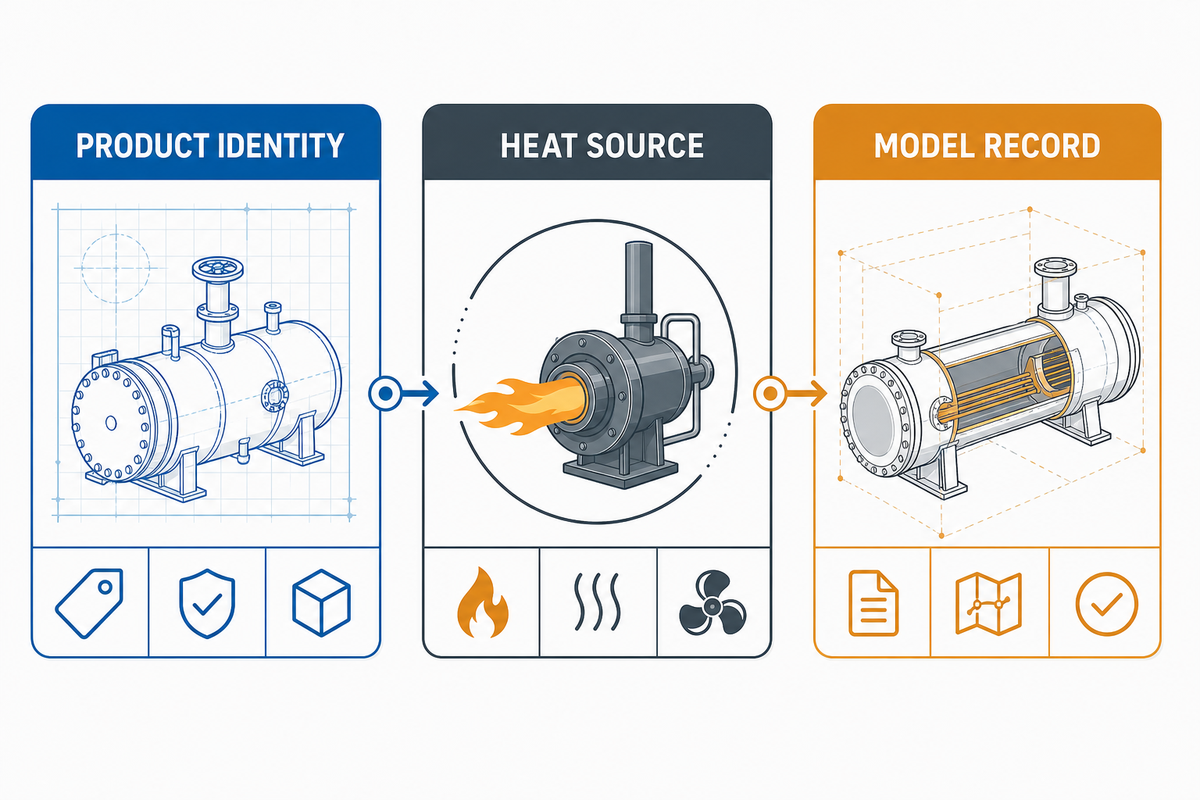
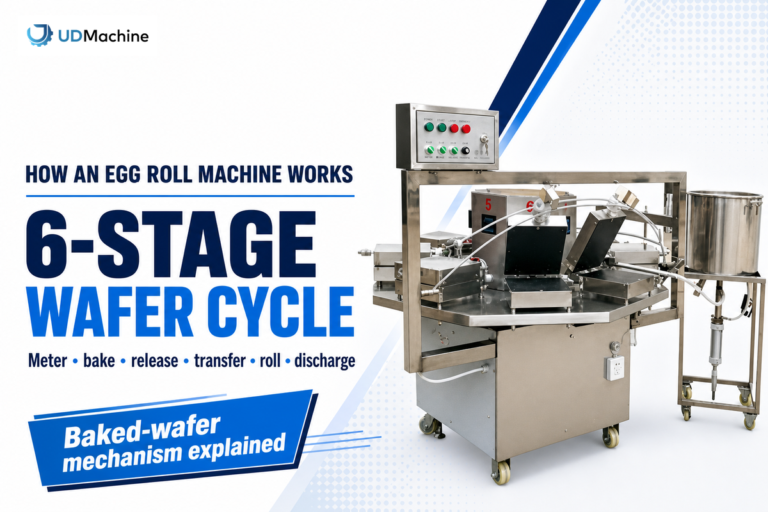
Comparisons require identification. That product-and-quality boundary begins with the correct machine type: many products marketed globally as “egg roll machines” are actually machines for filled savory rolls or household egg cookers. This page covers only products for fresh egg roll wafers. Choose a device, then classify process/heating, before looking for a power number.
Commercial egg roll machine energy consumption can’t be compared until the product and heat source are fixed. A fully automatic egg roll roller machine for baked wafers and a generic egg roll rolling machine may describe different processes, so the same advertised power figure doesn’t establish the same operating boundary.
| Evidence | What to record | Decision |
|---|---|---|
| Product and process | Thin batter sheet, baking plates, rolling mandrel, finished roll photo | Include only rolled-wafer food processing machinery |
| Heat source | Electric resistance, gas burner, or mixed configuration | Set the energy boundary |
| Model identity | Model code, drawing revision, rated output, quotation date | Prevent cross-model substitutions |
Other pages cover rotary egg-roll equipment in a generalized manner, such as for machine sizing or general configuration. This page concerns equipment-specific energy calculation and testing.
When Not to Buy From a kW-Only Quote
Don’t approve a machine solely because its rated kW looks low. A lower connection rating can still produce higher shift kWh when warm-up runs longer, output is lower, or rejects rise. It can also hide an installation gap if voltage, phase, full-load current, or auxiliary loads are missing. Ask for the state schedule, product conditions, and full electrical data first.
Commercial-oven vendors sometimes differentiate between the nameplate values under preheat, idle, and product conditions, but not always (this isn’t an oven-testing program, of course, although the logic is identical). If the vendor doesn’t distinguish these, a quoted number doesn’t indicate what your facility gets from month to month and can’t tell you what to measure on a trial.
Evidence boundary: the official criteria separate at least 3 operating conditions, preheat, idle, and productive cooking or baking. This article borrows that state-separation principle only; it does not claim that rolled-wafer equipment is certified under the oven program.
Separate Connected Load from Actual Energy Consumption
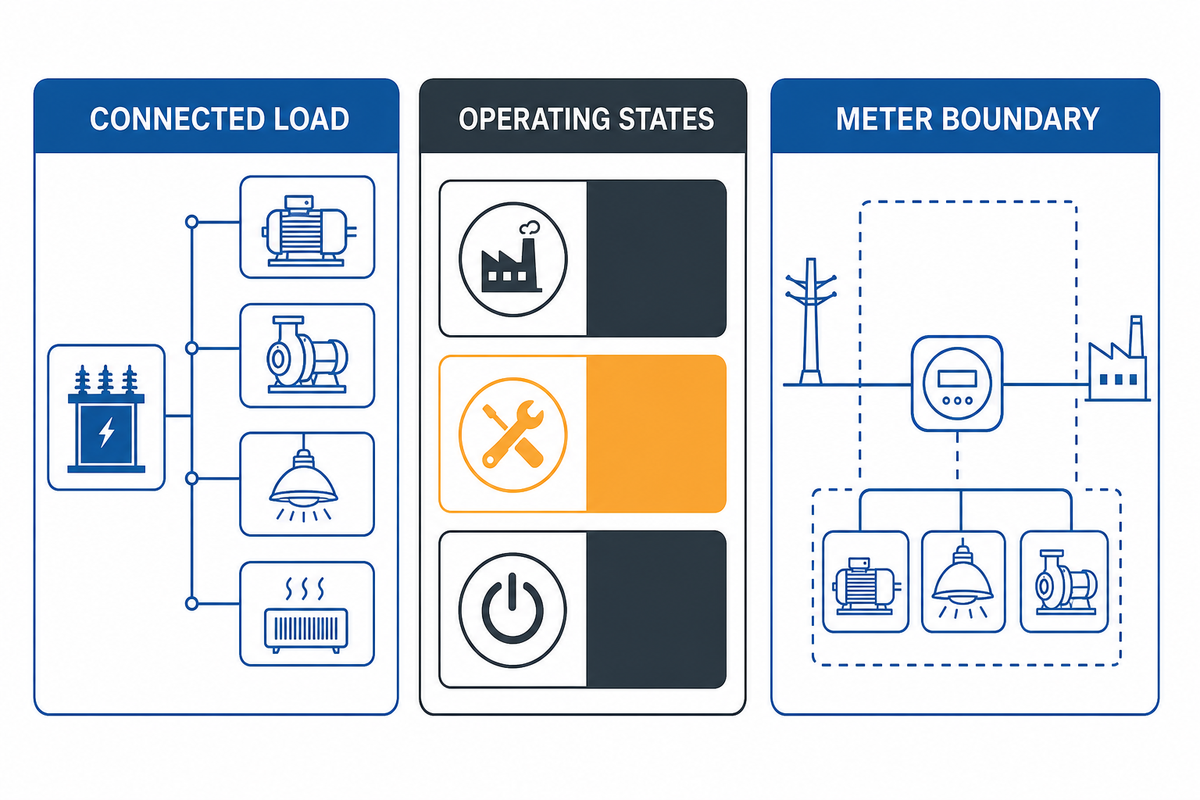
Connected load answers whether the facility can supply the machine at its rated condition. Energy consumption answers how much electrical work accumulates across time. A 30 kW nameplate therefore doesn’t mean 30 kWh every hour; the heaters may cycle, motors may vary, and auxiliaries may cross the chosen meter boundary. The ENERGY STAR commercial-oven criteria distinguish preheat, idle, and productive-cooking conditions, which supports separating operating states; it is not a certification or performance claim for rolled-wafer equipment.
Core equation
Energy (kWh) = average measured power (kW) × elapsed time (h)
| Input type | Unit or record | Decision supported | Limitations / Not suitable for |
|---|---|---|---|
| Connected load | kW | Supply planning | Not a shift-kWh result |
| Warm-up draw | Average kW | Start-up energy | Needs a defined start and endpoint |
| Warm-up time | h | Start-up schedule | Ambient and recipe dependent |
| Production draw | Average kW | Productive energy | Invalid without steady product conditions |
| Productive runtime | h/shift | Shift roll-up | Exclude unrecorded stoppages |
| Idle draw | Average kW | Waiting loss | State must be thermally stable |
| Idle/changeover time | h/shift | Schedule loss | Do not guess from total shift length |
| Accepted output | pieces and kg | Energy intensity | Gross pieces hide rejects |
| Energy rate | currency/kWh | Energy charge | Not the full utility bill |
| Interval demand | kW at tariff interval | Demand-charge review | Requires the actual tariff rule |
A power factor reading may matter for electrical engineering and certain tariffs, but it shouldn’t be inserted casually into the basic kW × hours equation. Use the meter’s real-power channel for kW and preserve apparent-power or reactive-power fields separately when the utility or engineer needs them.
Collect the Six Inputs for a Defensible kWh Estimate
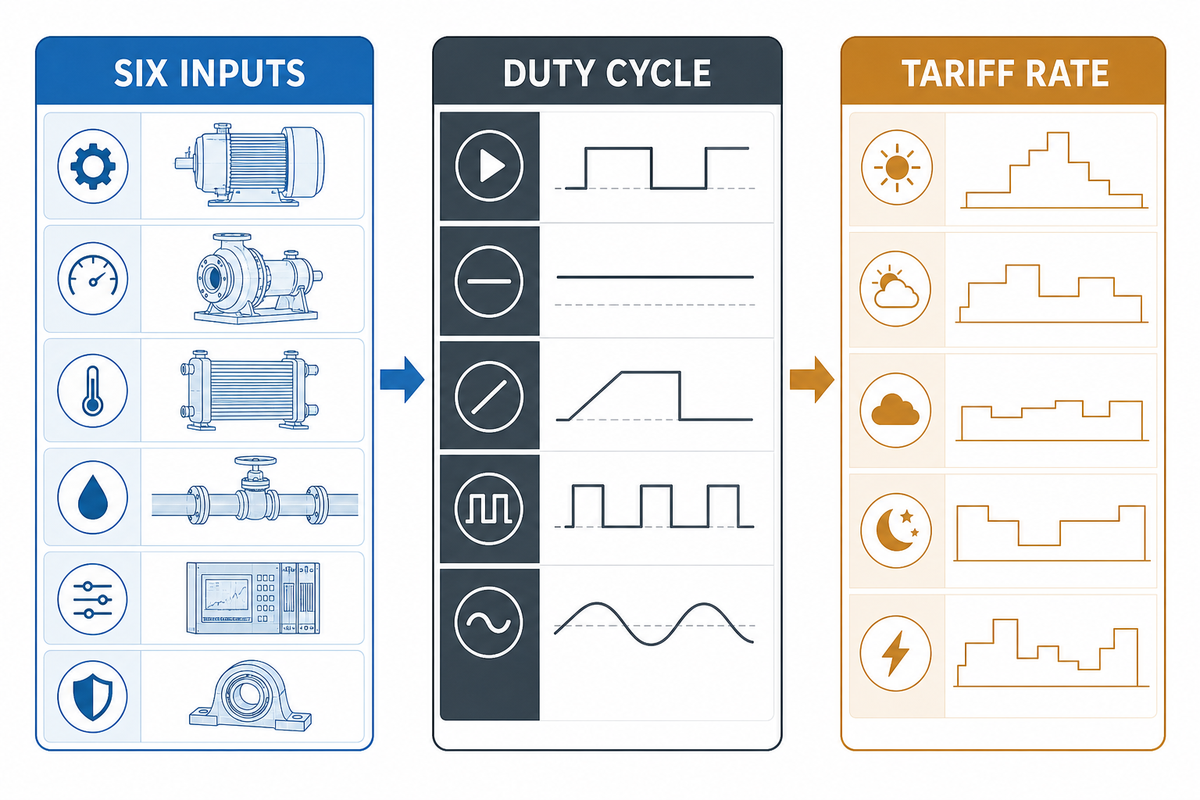
Before getting a calculator out, collect six items for the machine you plan: the connected-load value from its specifications, typical production draw (or the supported duty cycle), warm-up time, productive-cycle time, idle time, and the applicable energy rate. If any data is missing, make a note rather than plugging in an arbitrary average.
Copy the following table into the inquiry for rotary egg roll machine specifications. The “recommended range” cells deliberately request project values and tolerances because no universal numeric setting is defensible across plant supplies, models, recipes, and output targets.
RFQ checklist — copy these into your quote request:
| Parameter | Recommended range | Why it matters | How to verify |
|---|---|---|---|
| Supply | Site-specific V/Hz/ph plus tolerance | Defines compatibility | Approved electrical schedule |
| Connected load | Supplier value in kW | Supports service planning | Nameplate and schematic |
| Production draw | Measured average kW at agreed recipe | Supports shift energy | Witnessed meter record |
| Warm-up | Minutes from declared start to endpoint | Captures start-up energy | Timestamped trial |
| Productive runtime | Planned h/shift | Sets production energy | Shift schedule |
| Idle/changeover | Planned h/shift by state | Exposes waiting loss | State log |
| Tariff input | Local currency/kWh plus other charge rules | Bounds cost | Current utility schedule |
Also include with those six numbers which items—exhaust fan, conveyor system, controls logic, pumps, additional process fans, air compressors, refrigeration controls and fans for final-product cooling and handling—will, according to the supplier, fall within the measurement boundary being defined on their wiring diagram, power schematic, or control diagram.
System check: record 6 inputs before estimating kWh, then add the equipment boundary in writing. The U.S. Department of Energy treats process heating as a system; this supports a whole-process review, not a performance claim for any named machine.
Calculate kWh per Shift and Monthly Electricity Cost
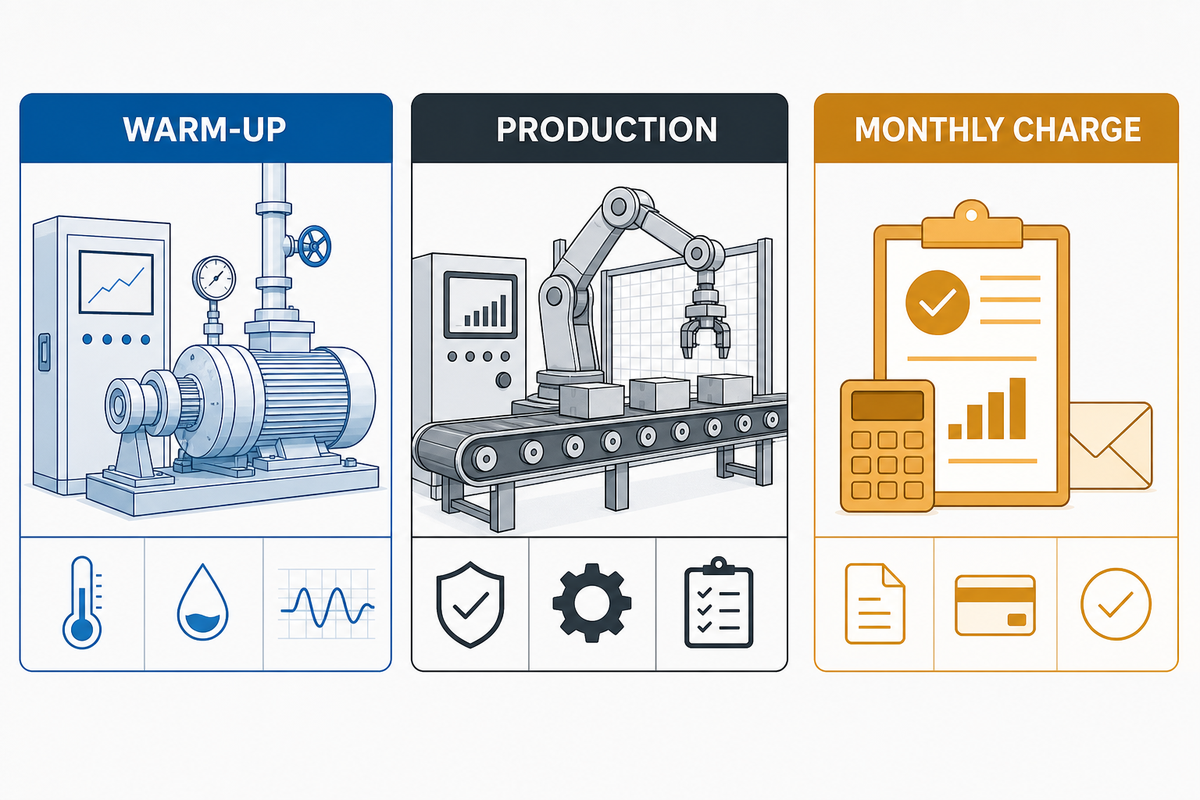
A sound calculation first multiplies total state operating-hours by appropriate draws and then applies price—all by state, summed up later. Treat that energy charge as only part of the bill when the local tariff also includes demand, capacity, fixed, time-of-use, power-factor, or other charges; the tariff boundary below identifies those additional items.
“A site’s electric load is characterized by the amount of electricity consumed (load magnitude) and when that electricity is consumed (load shape).”
Illustrative shift scenario
A buyer is screening a 30 kW connected-load proposal, not predicting a model guarantee. Warm-up averages 24 kW for 0.75 h: 24 kW × 0.75 h = 18 kWh. Steady production averages 19 kW for 6 h: 19 × 6 = 114 kWh. Stabilized idle averages 6 kW for 1.25 h: 6 × 1.25 = 7.5 kWh. The shift total is 139.5 kWh. At an illustrative $0.12/kWh energy rate, the energy charge is $16.74 per shift. For 22 operating days, the monthly energy-charge estimate is $368.28. The $0.12/kWh input is hypothetical, not a Department of Energy figure or a site tariff. Replace every input with the chosen model, witnessed schedule, and local tariff.
| Step | Equation | Illustrative result |
|---|---|---|
| State energy | Average kW × h | 18 + 114 + 7.5 kWh |
| Shift energy | Sum of state energy | 139.5 kWh/shift |
| Energy charge | 139.5 kWh × $0.12/kWh | $16.74/shift |
| Monthly energy charge | $16.74 × 22 days | $368.28/month |
Note any demand, energy, capacity, monthly and annual charges, time-of-use, power factor penalties, demand ratchets, other charges plus the energy price. Don’t label $368.28 as the total bill impact in this example.
Tariff boundary: $0.12/kWh and 22 days are illustrative inputs. The resulting $368.28/month covers only the example’s energy charge. Demand, time-of-use, ratchet, fixed, and tax components need the current utility schedule and the relevant interval record.
Normalize Energy by 1,000 Saleable Egg Rolls
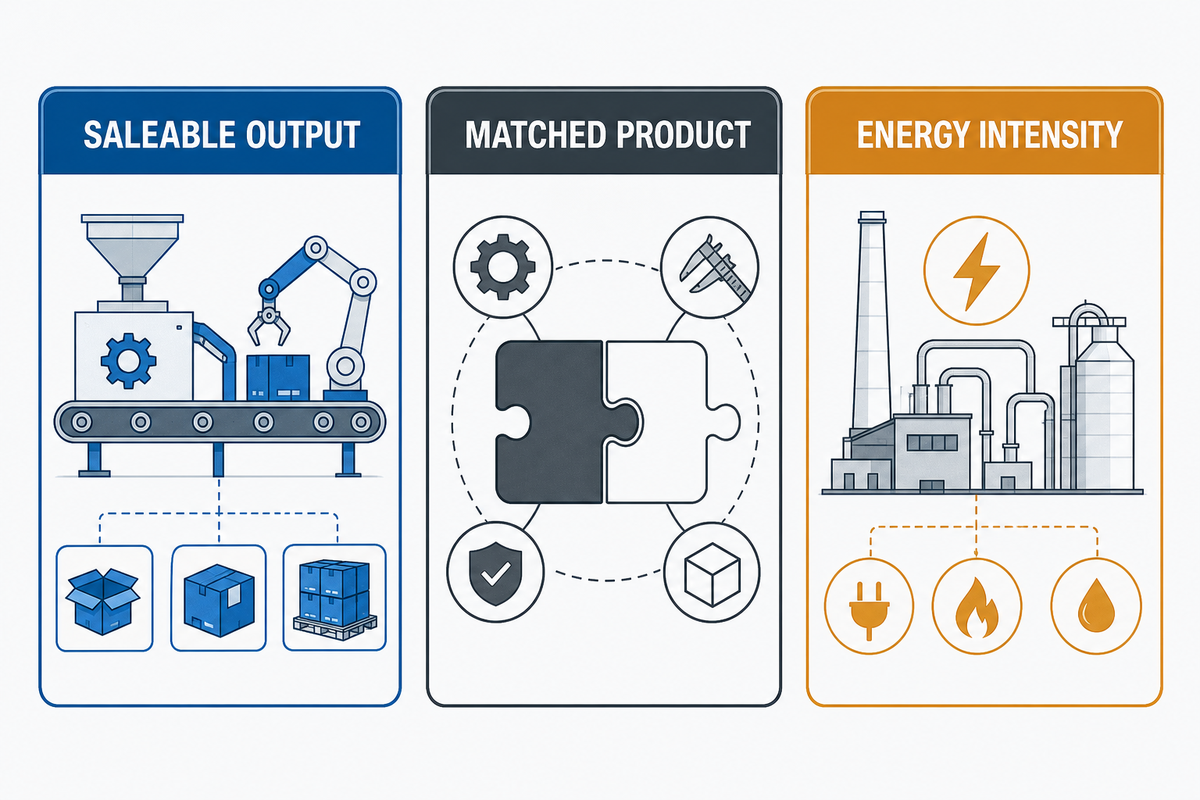
Production efficiency comparisons should divide metered energy by accepted output, not nameplate capacity or gross pieces. The denominator must represent the same product mass, dimensions, recipe, bake endpoint, and quality criteria. If geometry differs, add kWh per kilogram; if production conditions still differ, require a controlled trial.
The Three-Layer Energy Ledger
- Connection layer: rated load and electrical service requirements.
- Shift layer: metered kWh across warm-up, idle, production, and changeover.
- Output layer: kWh per 1,000 matched saleable rolls, plus kWh/kg when needed.
Output formulas
Saleable pieces = gross pieces − rejects. Energy intensity = shift kWh ÷ saleable pieces × 1,000.
Illustrative comparison scenario
Line A records 140 kWh, 9,000 gross rolls, and a 5% reject rate. Saleable output is 8,550, so intensity is 140 ÷ 8,550 × 1,000 = 16.37 kWh per 1,000 saleable rolls. Line B records 155 kWh, 11,000 gross rolls, and a 2% reject rate. Its 10,780 saleable rolls produce 155 ÷ 10,780 × 1,000 = 14.38 kWh per 1,000. Line B has higher shift energy but lower output-normalized energy in this illustration. That conclusion is valid only if product mass, dimensions, recipe, bake endpoint, quality limits, and meter boundary match.
| Question | Primary unit | Condition |
|---|---|---|
| Can the plant connect it? | kW, A, V/Hz/ph | Approved electrical schedule |
| What does one shift use? | kWh/shift | Same state schedule |
| Which line uses less per matched roll? | kWh/1,000 saleable rolls | Matched product and acceptance rules |
| What if roll geometry differs? | kWh/kg | Same quality endpoint and boundary |
Comparable-output rule: the 16.37 and 14.38 kWh/1,000 results come from the displayed illustrative arithmetic, not from vendor rankings or trade data. External sources support defined product conditions, indicators, boundaries, baselines, and monitoring only.
Check Voltage, Phase, Breaker, and Upstream Capacity
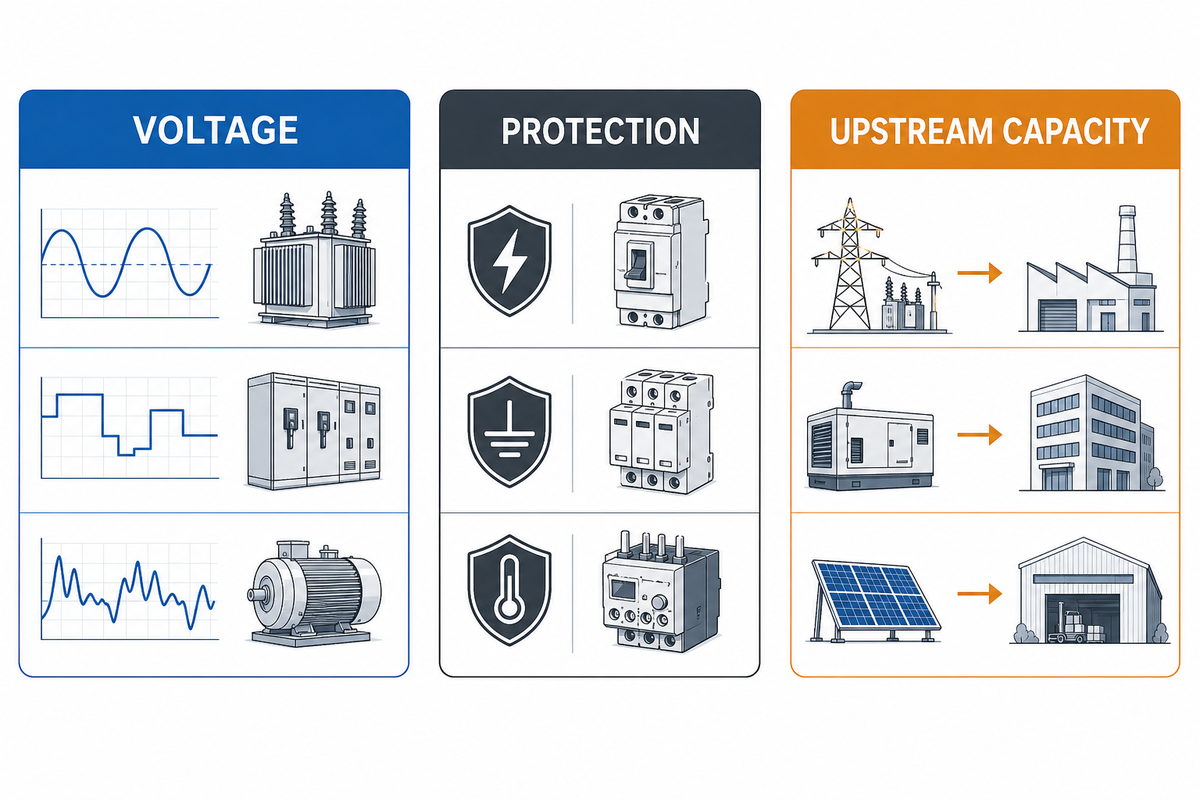
Electrical fit is an engineering hand-off, not a generic breaker-size lookup. After comparing output-normalized energy, give a qualified local engineer the supplier’s current electrical schedule, wiring diagram, known loads, and site data. The review must go far beyond line voltages and phases to fault duty, protection, grounding, environment, cooling, markings, and disconnect provisions.
| Review item | Primary evidence | Decision owner | Limitations / Not suitable for |
|---|---|---|---|
| Rated voltage, phase, frequency | Supplier schedule | Supplier + plant engineer | Does not prove upstream capacity |
| Full-load current | Nameplate and schematic | Supplier | Not a conductor-size prescription |
| Starting or inrush behavior | Motor/control data | Supplier + engineer | Varies by control design |
| Available fault current | Site study | Plant engineer | Cannot be inferred from machine kW |
| Short-circuit current rating | Equipment/panel marking | Supplier + engineer | Do not substitute component ratings blindly |
| Protective-device coordination | Study and device curves | Plant engineer | Jurisdiction and system specific |
| Grounding arrangement | Site and machine drawings | Plant engineer | No universal diagram applies |
| Environment and cooling | Layout, ambient, clearances | Supplier + plant | Room conditions change suitability |
| Labeling or listing constraints | Destination requirements | Buyer + authority | Market specific |
| Disconnect and isolation | Machine and site drawings | Plant engineer | Not resolved by a plug type |
An adjacent electric process-heating line can help the plant accumulate utility questions, but its electrical schedule can’t reliably size an egg-roll installation. The ultimate breaker, conductors, transformer check, protection, disconnect, and equipment connection belongs to qualified local parties with current plant, machine, and site data.
Safety boundary: this 10-item matrix turns official U.S. electrical considerations into a procurement handoff. It does not supply a generic breaker or cable size. Available fault current, equipment rating, protection, grounding, and installation conditions must be checked locally.
Compare Electric and Gas Heating Without False Equivalence
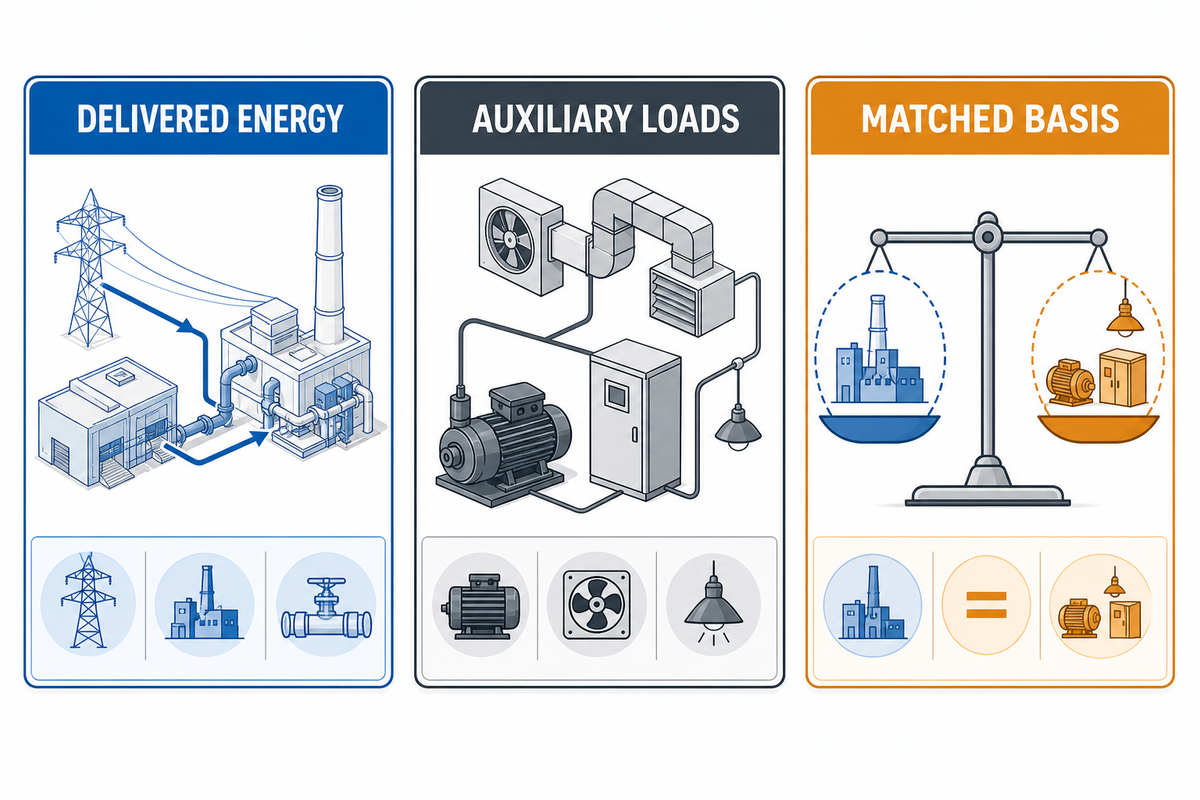
Electric and gas-heated lines, including LPG, must be compared on one declared basis: delivered energy, estimated useful heat, operating cost, or emissions. Keep auxiliary electricity in the gas-line boundary, convert units from an authoritative source, and match operating conditions.
Gas heating
- Record fuel volume or mass
- Add motors, fans, conveyors, and controls
- Measure combustion-system boundary
- Apply local fuel price and measured efficiency
Electric heating
- Record full-machine kWh
- Include heaters and all auxiliaries
- Measure the same production boundary
- Apply local tariff and interval rules
Delivered-energy conversion example
The U.S. Energy Information Administration lists propane at 91,452 Btu per gallon and electricity at 3,412 Btu per kWh. An illustrative 10 gallons of propane supplies 914,520 Btu. Dividing 914,520 Btu by 3,412 Btu/kWh gives about 268.0 kWh-equivalent of delivered energy, before efficiency. Add the gas line’s measured auxiliary electricity separately. To compare useful heat, multiply each delivered-energy input by a measured system efficiency. To compare operating cost, apply current local prices and tariff rules. To compare emissions, select current factors and declare whether upstream emissions are included. The conversion alone doesn’t identify a lower-cost, lower-energy, or lower-emissions configuration.
A gas configuration can still need electricity for conveyors, fans, pumps, controls, ignition, cooling, and compressed-air systems. Request the supplier denote all auxiliaries within the disclosed consumption. The same full-machine boundary and accepted product must be used in both cases.
Conversion boundary: 10 gallons × 91,452 Btu/gallon ÷ 3,412 Btu/kWh = about 268.0 kWh-equivalent. The result is delivered energy only. Useful heat, total operating cost, and emissions need separate measured or current inputs.
Measure Warm-Up, Idle, and Production Draw During Acceptance
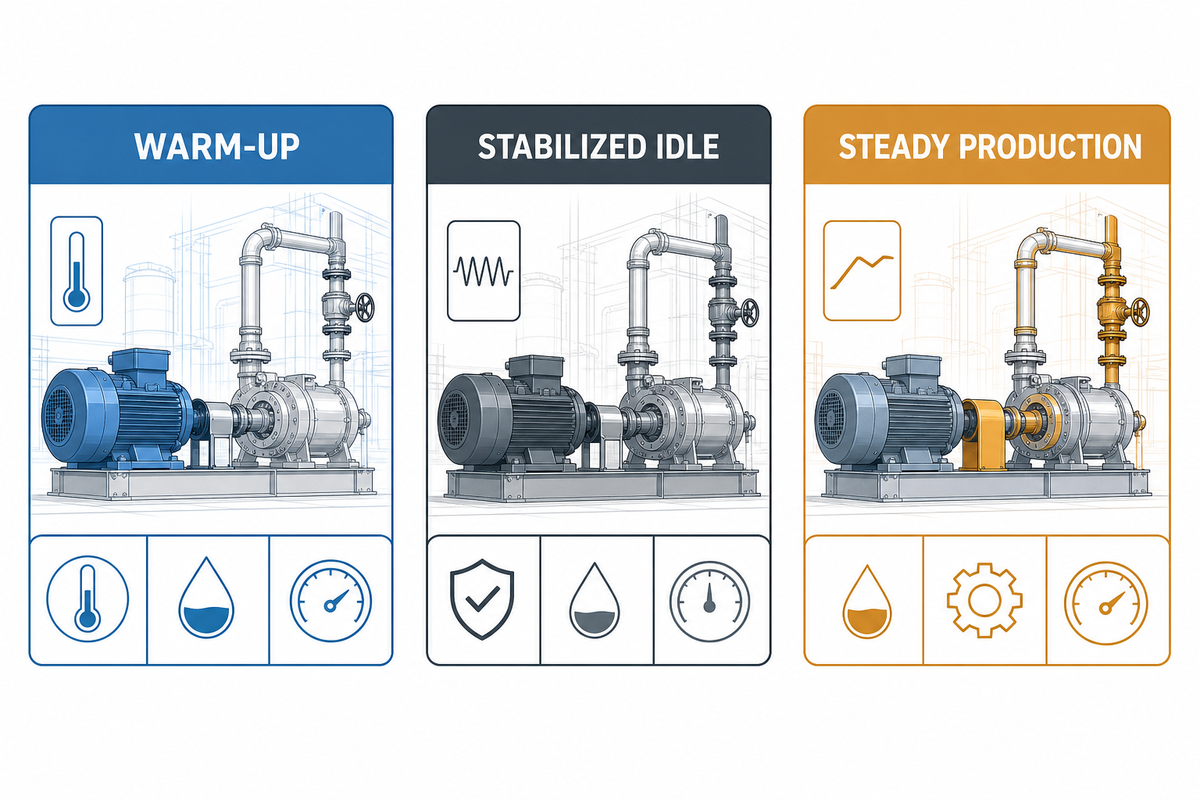
A defensible acceptance record needs more than one meter photo. Define the machine boundary, recipe, temperature setpoint, state start and end, reading interval, repeat count, duration weighting, and accepted output. Meter the whole line where possible, while recording excluded exhaust, compressed air, cooling, or other shared auxiliaries apart.
The Four-State Metering Protocol
| State | Start/end rule | Record | Weighting |
|---|---|---|---|
| Warm-up | Cold declared start to stable setpoint | Duration, kWh, ambient, setpoint | Starts per shift |
| Stabilized idle | No product after thermal stability | Duration, average kW, controls on | Idle hours per shift |
| Steady production | Accepted recipe at stable rate | kWh, pieces, kg, rejects, quality | Productive hours |
| Stop/changeover | Declared stop reason to production restart | Duration, kWh, heater state | Expected events per shift |
Illustrative acceptance scenario
The buyer and supplier agree on three repeats of the same recipe and quality limits. A full-line meter records 15-minute intervals. Each repeat starts from the declared cold condition, continues through warm-up, includes 30 minutes of stabilized idle, and then records 120 minutes of steady production. Changeovers are timed and logged separately. Exhaust and product cooling are outside the main meter, so their kWh are recorded as auxiliaries rather than ignored. The report shows raw interval data, state totals, accepted pieces, accepted kilograms, rejects, and observed quality. Shift kWh is reconstructed by multiplying each state’s measured average by its expected duration and event count. ENERGY STAR doesn’t prescribe these intervals or durations for rolled-wafer equipment. This protocol is a supplier-neutral method, not a certification threshold.
Do
- Define every state boundary
- Record 15-minute interval data
- Repeat the matched trial 3 times
- Report excluded auxiliaries
Don’t
- Accept one instantaneous display
- Mix recipes between repeats
- Hide rejects from output
- Compare different meter boundaries
Factory testing can validate the supplier’s own machine and method; on-site testing captures the buyer’s own power supply, room, electrical schedule, upstream services, operators, and controls. Document both. A factory result shouldn’t be used without further argument as a site-energy guarantee, when those attributes differ.
Reproducibility check: a useful record states the 15-minute interval, 3 repeats, state durations, duration weighting, complete-machine boundary, auxiliaries, recipe, and accepted output. State names without these fields do not define a repeatable test.
Cut Energy Waste Without Sacrificing Product Quality
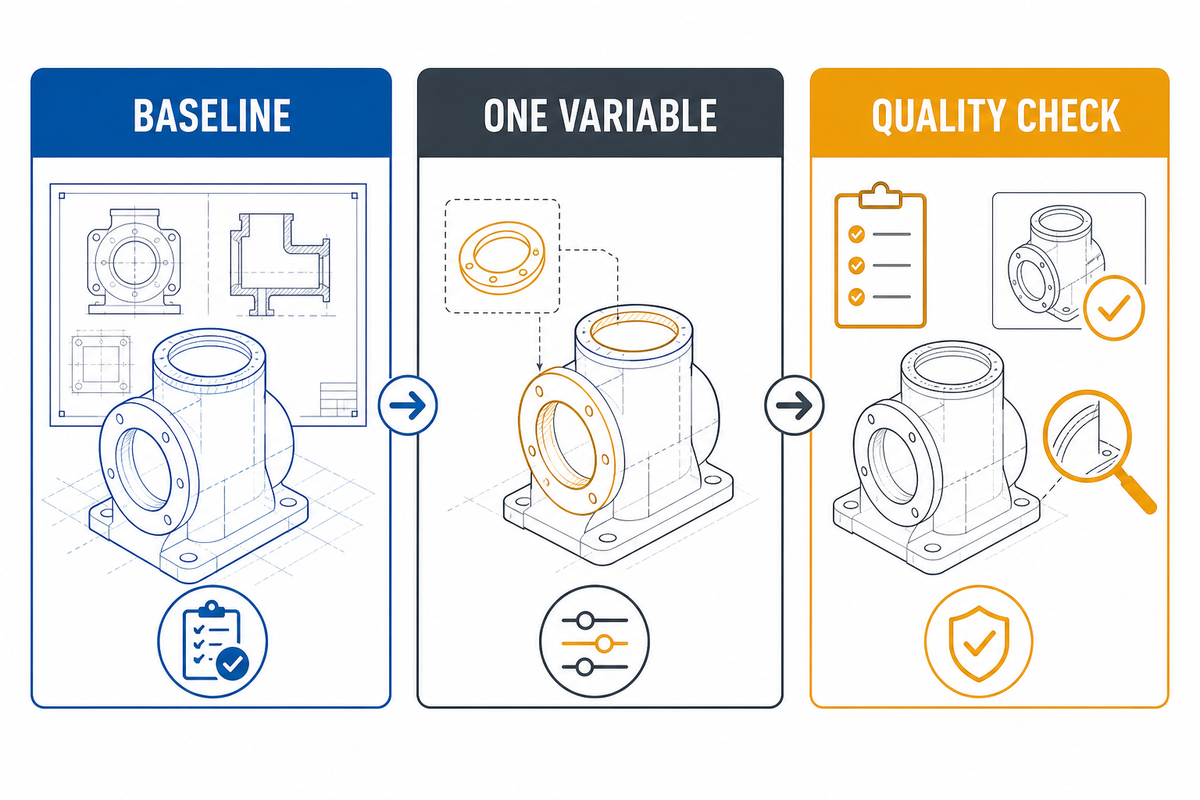
Energy saving is only valuable when accepted product, product quality, and product homogeneity stay within those limits. Change only one operating variable at a time, preserve the baseline recipe, and compare both energy and results. Temperature, time, moisture or bake endpoint, color, shape, release, and rejects all need to be recorded alongside the energy result.
| Candidate change | Possible gain | Quality risk | Verification |
|---|---|---|---|
| Shorten unnecessary idle | Less waiting energy | Slow restart or instability | Meter restart and first accepted batch |
| Repair insulation or seals | Lower heat loss | Temperature distribution changes | Check zone temperatures and color |
| Adjust scheduling | Fewer warm-ups | Longer holds | Compare full-day kWh and rejects |
| Tune temperature control | Reduced overshoot | Underbake or release faults | Controlled matched trial |
Inspect thermal insulation and verify uniform heating before and after an energy trial; neither condition should be inferred from one cabinet reading.
The process heat and hand-off guide provides a related bakery-control reference. Its setpoints aren’t applicable to rolled-wafer egg rolls, but the same rigorous methodology applies: measure the baseline, change only one variable, and accept only if results and energy both improve.
Key takeaway
A lower kWh result is not an improvement when saleable output or agreed quality falls; compare both sides of the trial under the same recipe and meter boundary.
What Industrial Heat Trends Mean for Egg Roll Equipment Buyers
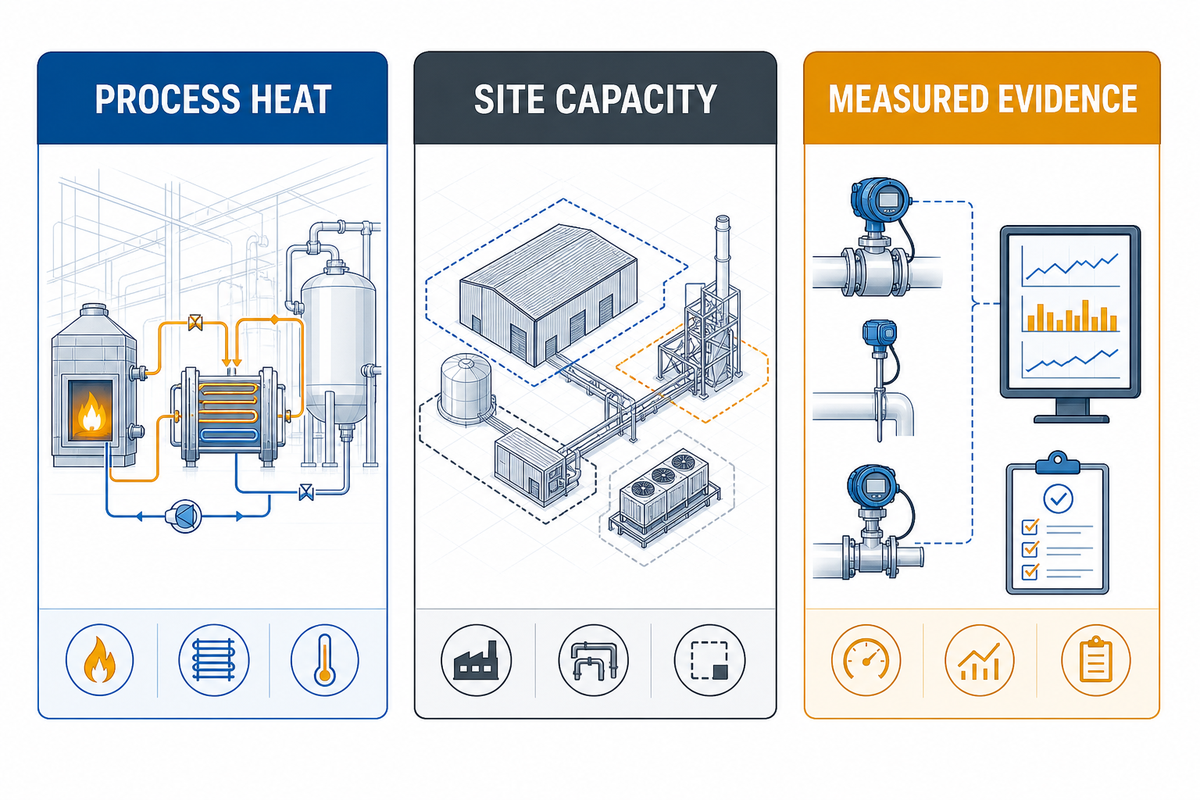
The matched-product rule also limits electrification trends. Electric rates, network capacity, equipment efficiency, system integration cost, production schedules, and policy can all modify the conclusion, so trend results belong in context alongside a project-specific comparison based on current site and machine evidence.
| Driver | Buyer action | What it cannot prove |
|---|---|---|
| Electric process-heat interest | Screen site supply and connection timing early | Machine-level savings |
| Energy-management focus | Request meter-ready acceptance data | A universal efficiency value |
| Grid constraints and price variation | Review tariff and capacity before order | A universal fuel winner |
The current research set has no valid year-over-year keyword window, so this guide makes no search-trend percentage claim. Public industrial sources provide background only. Procurement should still be decided from the chosen machine, site capacity, current local prices, and witnessed production evidence.
Trend boundary: the planning table has 3 drivers, but none is a machine forecast. U.S. Department of Energy and International Energy Agency material supports process-heat, efficiency, electrification, and grid planning only; site and model evidence must decide the purchase.
Frequently Asked Questions
These answers keep industrial rolled-wafer equipment separate from household appliances and savory filled-roll machinery. Price and value questions remain conditional because no current quotation, model-level energy log, or buyer production schedule was supplied for this guide.
How much does an egg roll making machine cost?
Purchase price requires a current project quotation.
A reliable price depends on product geometry, output target, heating configuration, electrical standard, automation scope, tooling, destination compliance, shipping, installation, and acceptance terms. Energy cost is a separate calculation based on measured state kWh and the buyer’s tariff. Ask for a line-item quotation and the inputs in this guide. Buyers ready for model and commercial details can review the dedicated rotary-machine page, while this article remains the owner of the energy method.
What is the name for the machine that rolls egg rolls?
For the baked-wafer product covered here, ask for a rolled-wafer egg roll machine and confirm the process photo, heat source, model code, and finished dimensions.
Suppliers may also say rotary egg roll machine, wafer roll machine, or egg roll roller machine. Confirm the name with a process photo: batter is deposited and baked as a thin sheet, then rolled while hot. That identity check excludes machinery that fills and folds savory wrappers and consumer devices that cook whole eggs vertically. Add the model code, heat source, and finished-product dimensions to the request. Keep the process photo and finished sample in the evidence packet.
Are automatic egg roll machines worth it?
Automation is worthwhile only when a matched trial shows that saleable output, labor, rejects, energy, changeover, maintenance, site work, and service support produce an acceptable business case.
Compare saleable output, required labor, changeover time, quality consistency, rejects, cleaning, maintenance, shift kWh, utility charges, and site work. Don’t approve automation because rated capacity or connected kW looks attractive in isolation. Set the product and quality conditions first, witness the Four-State Metering Protocol, and place the accepted values into a total operating-cost model with current local prices. Include service response, spare parts, operator training, and downtime risk in the same review.
How do you calculate kWh from rated kW?
Multiply average real power by elapsed hours.
Use kWh = average measured kW × hours for each operating state, then add the results. Rated kW is a planning ceiling or condition, not proof that average power remains there. Read real power from the meter.
Should you compare machines by kW or kWh per 1,000 saleable rolls?
Use both, but for different decisions.
Use connected kW, current, voltage, phase, and frequency to screen facility fit. Use kWh per shift to estimate energy under a declared state schedule. Use kWh per 1,000 saleable rolls to compare output-normalized performance only when product mass, dimensions, recipe, moisture or bake endpoint, acceptance criteria, test duration, and meter boundary match. Add kWh/kg when piece geometry differs. If conditions can’t be matched, don’t rank the machines from catalogue values; request a controlled trial. Then apply the local tariff structure to the measured load shape, keeping demand and other charges separate from the energy charge. Record gross pieces, rejects, accepted pieces, accepted mass, and the rule for rework. This makes the denominator auditable and stops a lower reject count from being mistaken for a lower electrical load.
Does a gas-heated egg roll line still need electricity?
Usually yes; conveyors, fans, pumps, controls, ignition, cooling, and compressed-air systems still use electricity in many configurations, so the supplier must define every included auxiliary load.
Motors, conveyors, fans, pumps, controls, ignition, cooling, and compressed-air systems may remain electrical. Measure or list those loads separately, then compare gas and electric options on the same product, output, boundary, and declared energy or cost basis. Don’t omit shared auxiliaries.
References & Sources
Last reviewed: September 3, 2026. Official and trade sources support methods and boundaries; none supplies a measured UDTECH model result.
- U.S. Department of Energy, Process Heating Systems
- U.S. Department of Energy, Evaluating Your Utility Rate Options
- U.S. Department of Energy, Food and Beverage Products
- ENERGY STAR, Commercial Ovens Key Product Criteria
- U.S. Energy Information Administration, British Thermal Units
- International Organization for Standardization, ISO 50006:2023 catalogue page
- Occupational Safety and Health Administration, Electrical Standard Final Rule
- Baking Business, Ovens: Controlling Consistency
Related Reading
- Rotary egg roll machine selection guide
- Rotary egg roll machine models and quotation route
- Pancake production line planning guide
- Pancake production line configurations
Request a Meter-Ready Machine Proposal
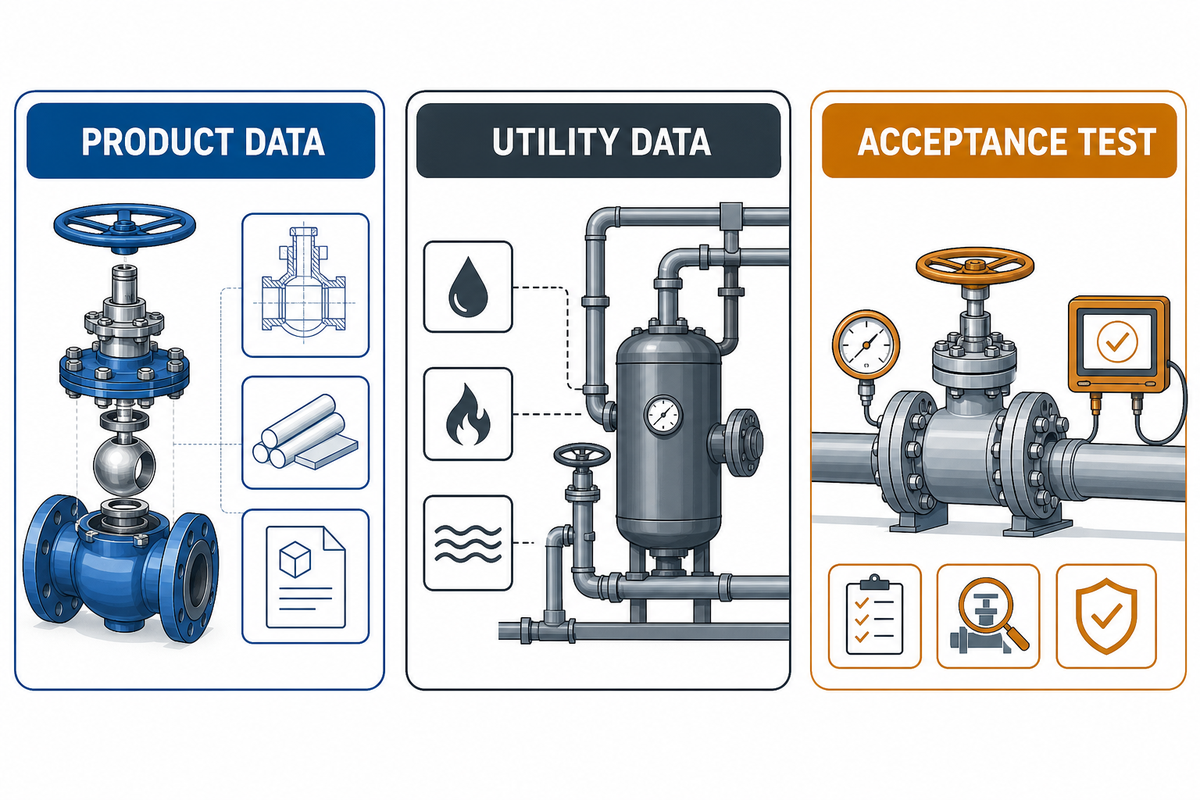
Send the supplier your product dimensions, recipe boundary, output target, plant supply, shift schedule, local tariff structure, and acceptance-test requirements. Ask for the complete electrical schedule and a witnessed state-by-state meter record, not a single kW figure.
Prepare the energy evidence before purchase approval.
Use the six-input checklist and Four-State Metering Protocol in your inquiry.
Closing Transparency Statement
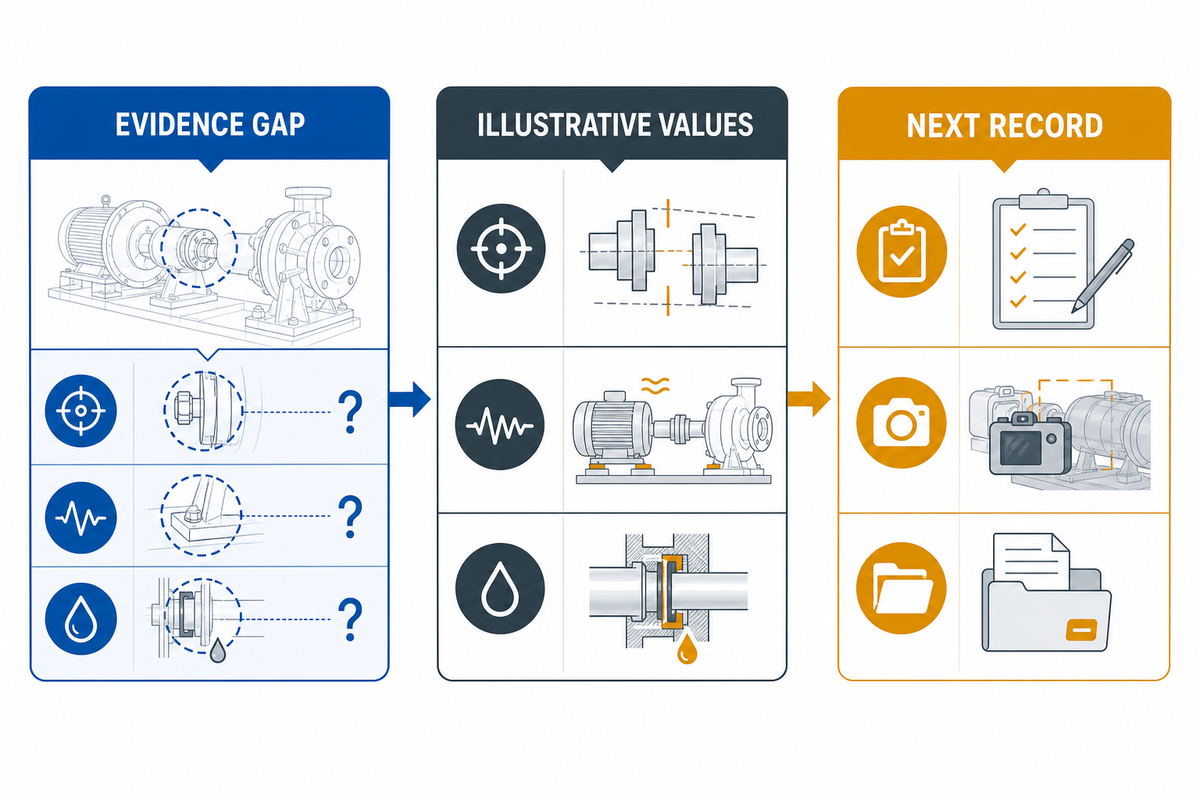
No client operating logs, model-specific meter records, local tariff, or completed technical-review record was supplied for this article. All worked operating numbers are illustrative and must be replaced with the chosen model, production schedule, site tariff, and witnessed acceptance data.
This calculation guide was prepared for Guangzhou Yitong Food Machinery Equipment Co., Ltd. from source-checked public evidence. The organization link establishes identity only; it is not evidence that a client technical team reviewed or approved the calculations.

![Egg Roll Machine Energy Consumption [Calculation Guide]](https://udmachine.com/wp-content/uploads/2026/09/electric-egg-roll-machine-guide-featured-150x150.png)