Get in touch with UDTECH Company

YT-30 LINE
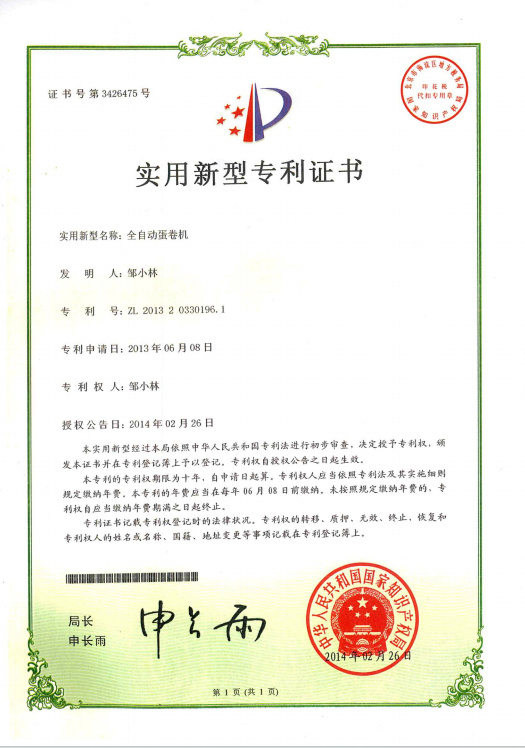
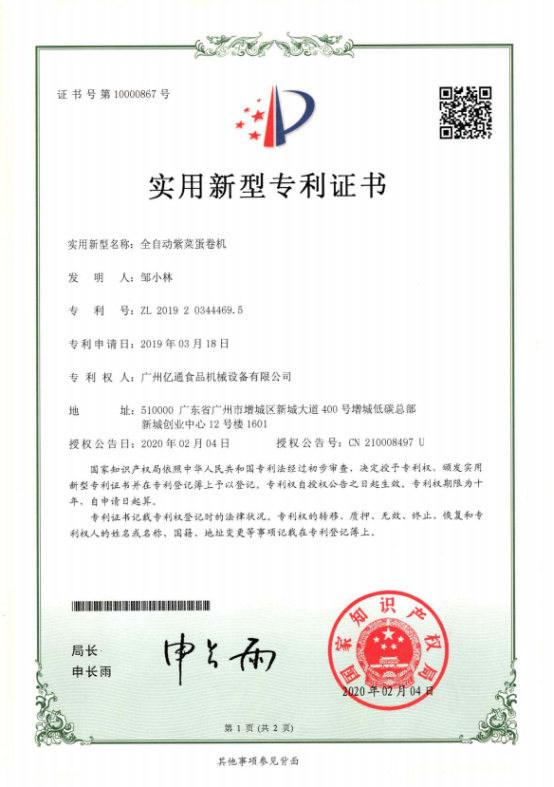
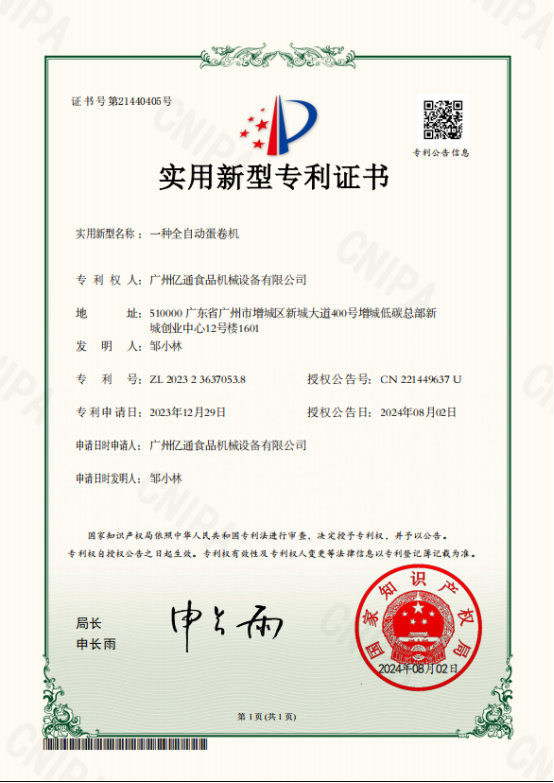
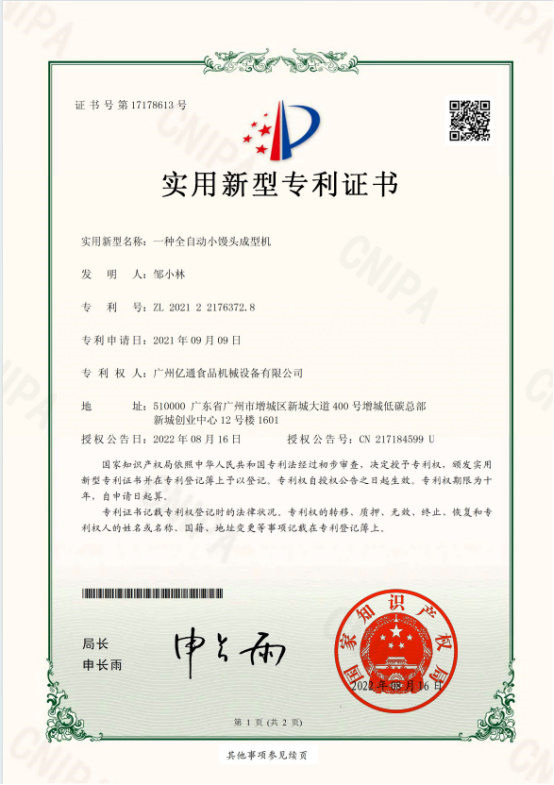
ISO
Sachima Production Line
Sachima Production Line — Automatic 1,000 kg/h ShaQima Line
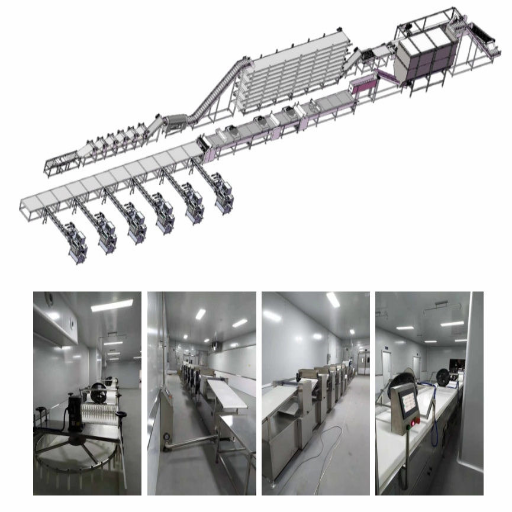
The YT-30 sachima production line is a continuous train with a listed length of 70 m and height of 3.5 m, so floor-plan fit should be checked early in the buying decision. Its sequence covers dough cutting, pressing and forming, secondary automatic proofing, frying, buffer storage, sugar preparation, sugar mixing, then shaping and cutting.
Request a YT-30 quotation
Provide your target recipe and good-product rate, destination utilities, and scaled floor plan for engineering review.
Engineer-reviewed quotation within 24 hours
Rated output 1,000 kg/h
Eight linked processing stations
FOB, EXW or CIF
YT-30 Rated Inputs and Plant Fit
A sachima production line is a linked food-processing system that turns prepared dough into fried strips, blends them with cooked sugar syrup, forms the mass and cuts it into saleable pieces. The YT-30 brochure lists a rated capacity of 1,000 kg/h; the buyer-specific acceptance value must still be measured with an agreed recipe and measurement point.
YT-30 Rated-Input Shift Load per 1,000 kg/h
1,000 kg/h
Rated capacity; factory test basis must define the measured output
70 × 1.3 × 3.5 m
Listed equipment envelope before site-specific service space
88 kW
Listed electrical power
30 m³/h at 4 kPa
Listed natural-gas requirement
0.2 m³/min
Compressed air at not less than 0.6 MPa
Eight stations
From dough cutting to final shaping and cutting
The Eight-Station Sachima Train
The linked train keeps dough preparation, proofing, fry control and sugar binding within one processing flow. Each handoff needs a written recipe variable and an acceptance observation, because a fast fryer cannot compensate for under-proofed dough or an unstable syrup stage.
01
Dough cutting
Prepared dough enters the continuous train through controlled feeding. Flour blend, dough temperature and mixing endpoint stay in the buyer recipe file.
02
Pressing and forming
Rolls turn the dough into consistent sheets before strip formation. Sheet thickness and cutting geometry become measurable setup values.
03
Secondary automatic proofing
The documented second proofing stage gives the gluten network time to relax before frying. “Can the proofing step be omitted?” becomes a trial question with an expansion and texture result, not an assumption.
04
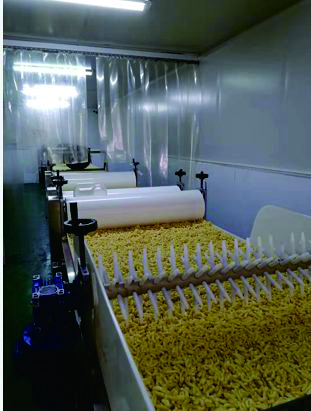
Continuous frying
Fry time, oil temperature and crumb removal shape color, expansion and oil pickup. The operating window is set during recipe trials, not copied from another product.
05
Buffer storage
A controlled buffer separates the thermal stage from sugar mixing. It helps the team observe flow balance instead of hiding a downstream interruption.
06
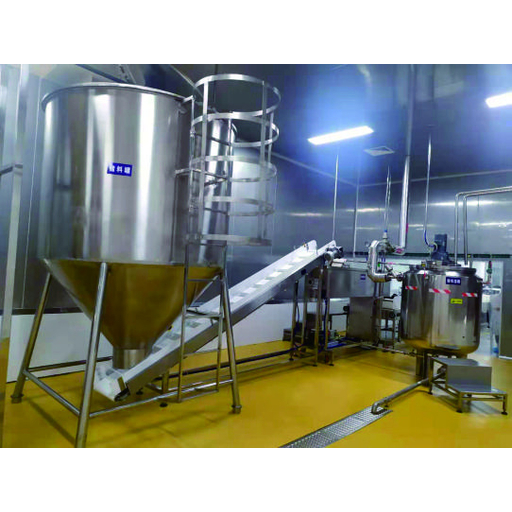
Sugar boiling
The syrup stage prepares the binding phase for the fried strips. Solids, temperature endpoint and hold time require a recipe-specific control sheet.
07
Sugar mixing
The mixer distributes the sugar mix across the fried material before forming. Addition order, inclusion load and mixing time affect distribution and breakage.
08
Shaping and cutting
The press sets the approved thickness before the bound mass is cut to size; the pieces then cool before packaging. Packaging begins after this core eight-station boundary unless separately included in the quotation.
Published process context: CN105472988A documents proofing and frying examples for sachima. It is a third-party process patent, not a UD patent claim.
Published comparison point
Reported window
Evidence boundary
Secondary proofing
27–35 °C for 1–5 hours
Third-party process-patent example
Sheeting before cutting
3–5 mm
Published sachima trade reporting
Frying
160–190 °C for 50–120 seconds
Patent example plus trade-reported comparison
Syrup endpoint
105–115 °C
Third-party process-patent example
Oil-quality limits reviewed across jurisdictions
Mostly 10–16% total polar compounds; the review cites above 25% secondhand as unfit
Peer-reviewed review, not a universal buyer limit
These figures are comparison windows, not YT-30 default setpoints; the buyer’s recipe trial and local oil-quality rule determine the accepted operating record.
Sachima Formats and Recipe Variables
Sachima, ShaQima and Saqima are English spellings for the same product family, not three separate line categories. The YT-30 page therefore treats piece geometry, syrup system and inclusions as recipe variables inside one sachima processing scope.
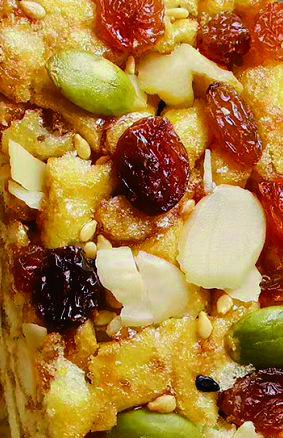
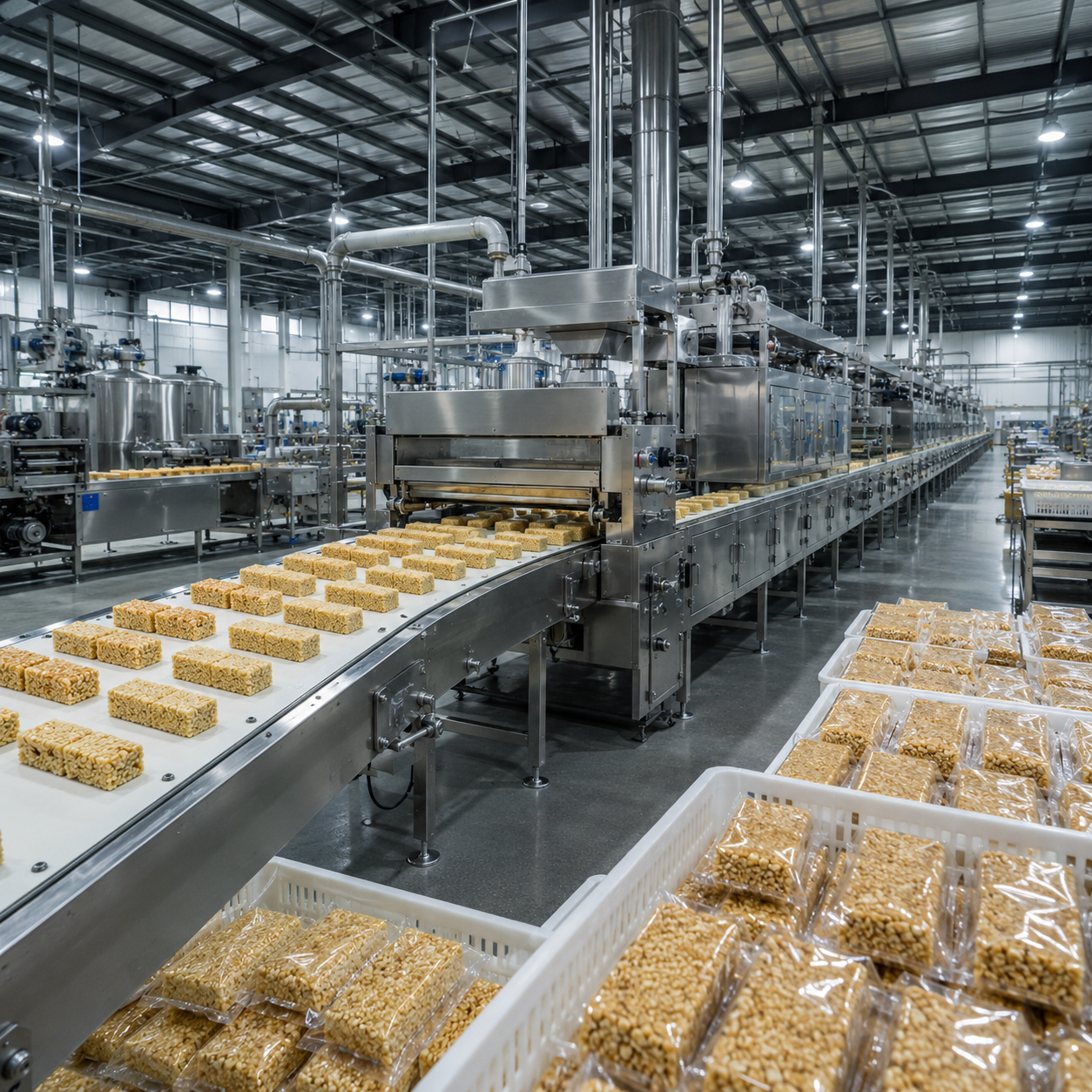
Client-supplied brochure image: finished sachima bars with visible inclusions.
Recipe brief for a useful trial
- Flour and egg formulation
- Dough mixing endpoint and proof conditions
- Sheet thickness, strip width and cut length
- Fryer medium and buyer quality limits
- Syrup formulation and solids endpoint
- Nut, seed or dried-fruit inclusion load
- Target piece dimensions and mass
- Accepted and rejected product definitions
Classic bar geometry
Fried dough strips are syrup-bound, compressed and cut into bars or blocks. The quotation records target length, width, thickness and mass.
Inclusion-bearing recipes
Nuts, seeds or dried fruit change mixing load, distribution and cutting behavior. The factory test uses the buyer-approved inclusion specification.
Texture targets
Crispy, tender and cohesive are converted into observable acceptance rules such as breakage, piece integrity, color band and measured good-product rate. The trial uses these rules to produce an accepted texture target.
The published sachima process examples support treating geometry, proof conditions and syrup binding as recipe variables. Actual YT-30 settings still require the buyer’s trial recipe.
Sugar System and Texture Control
No single making machine controls texture; it is created across the line. Proof condition, sheet geometry, fry window, oil condition, syrup endpoint, mixing distribution and forming pressure interact before the cutter produces the finished product.
 Precision Line
| Control point | What the trial records | Observed output |
|---|---|---|
| Dough and proof | Formula, dough temperature, rest duration and proof condition | Expansion, strip integrity and handling |
| Sheeting and cutting | Sheet thickness, strip dimensions and feed setting | Uniform frying and final bar geometry |
| Frying | Oil temperature, residence time, top-up and crumb-control routine | Color, expansion, oil pickup and crispy texture |
| Syrup preparation | Formula, solids endpoint, temperature and hold condition | Binding strength, tack and crystallization behavior |
| Mixing | Syrup ratio, addition order, mixer time and inclusion load | Coating distribution and breakage |
| Forming and cutting | Compression setting, target thickness, knife pitch and cooling condition | Piece mass, edge quality and packaging readiness |
YT-30 Specifications
The table carries brochure-listed facts into an acceptance format. Under 21 CFR 117.40(a)(4), food-contact surfaces must be corrosion-resistant and able to withstand their intended environment and cleaning compounds. Food-contact stainless steel grade, surface condition, control brands and destination utility interfaces should therefore be frozen in the written quotation against the recipe and sanitation chemicals.
| Specification | YT-30 basis | Acceptance note |
|---|---|---|
| Line model | YT-30 ShaQima production line | Model and included station list written into the quotation |
| Rated capacity | 1,000 kg/h | Measured value tied to the approved recipe, test duration and measurement point |
| Listed dimensions | 70,000 x 1,300 x 3,500 mm (229.7 × 4.3 × 11.5 ft) | Equipment envelope only; adjacent cleanable and service space is site-specific |
| Listed power | 88 kW | Destination voltage, phase and frequency confirmed in writing |
| Natural-gas pressure | 4 kPa | Buyer confirms available gas, local train requirements and ventilation |
| Natural-gas consumption | 30 m³/h | Rated input, not a cost or efficiency guarantee |
| Compressed-air consumption | 0.2 m³/min | Buyer confirms treated-air quality and connection point |
| Compressed-air pressure | ≥0.6 MPa | Available pressure verified at the line interface |
| Core process | 8 linked stations | Packaging and upstream dough preparation included only if named in the quotation |
Factory Run Test and Bought-In Component Suppliers
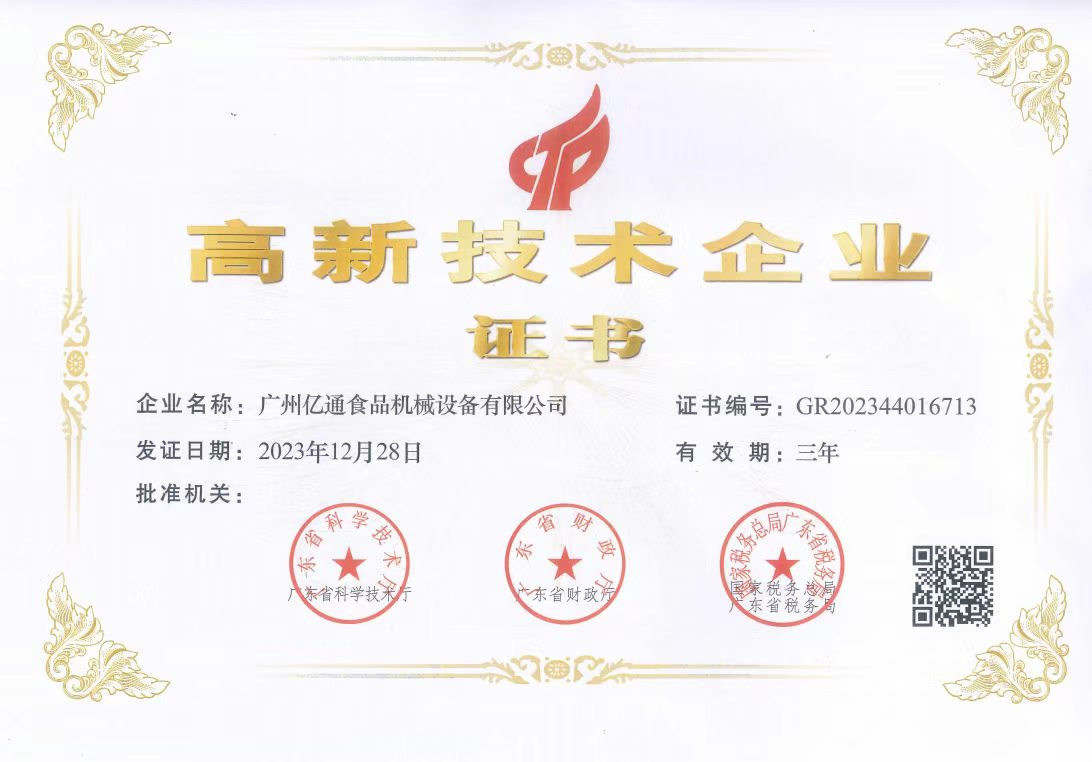
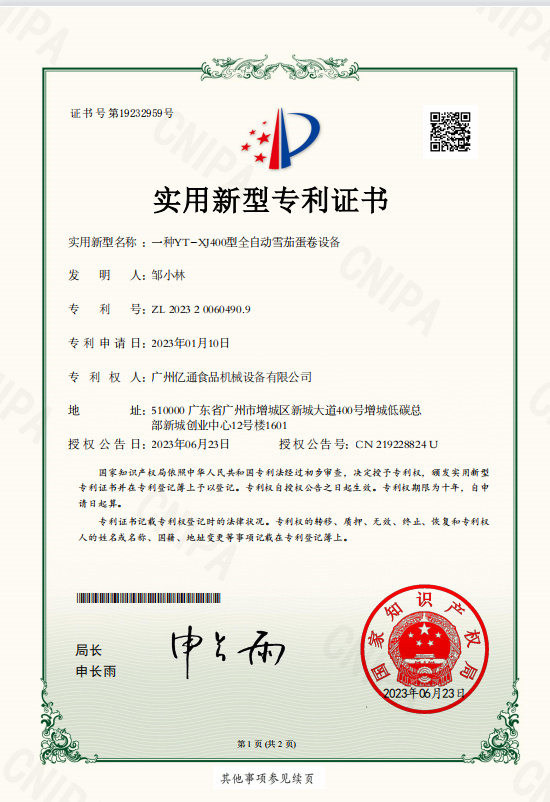
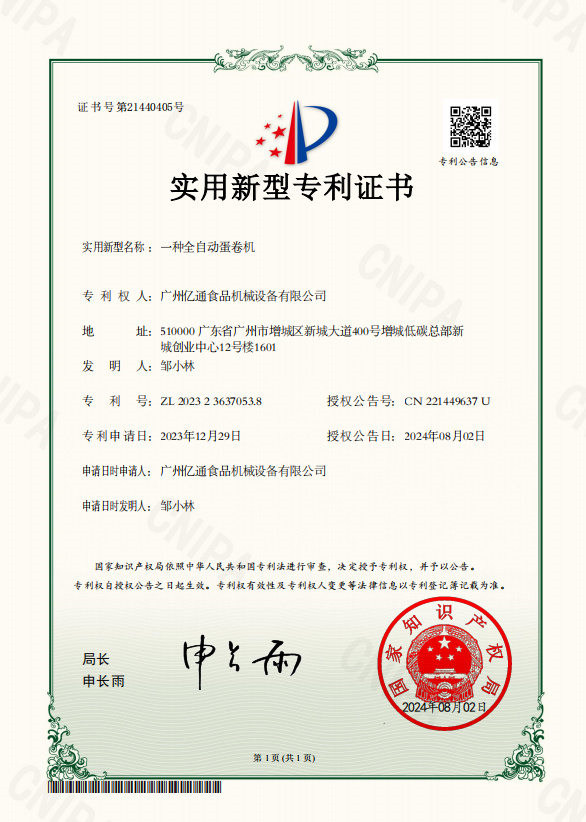
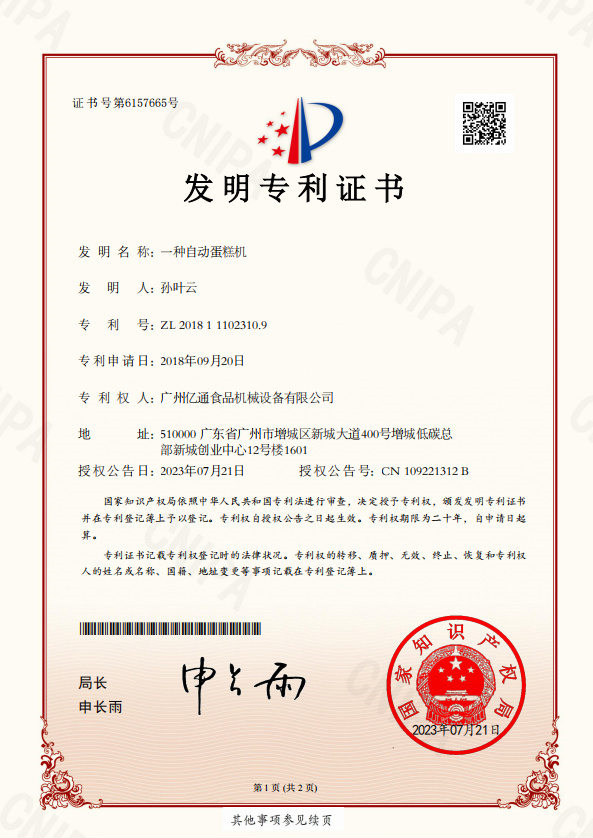
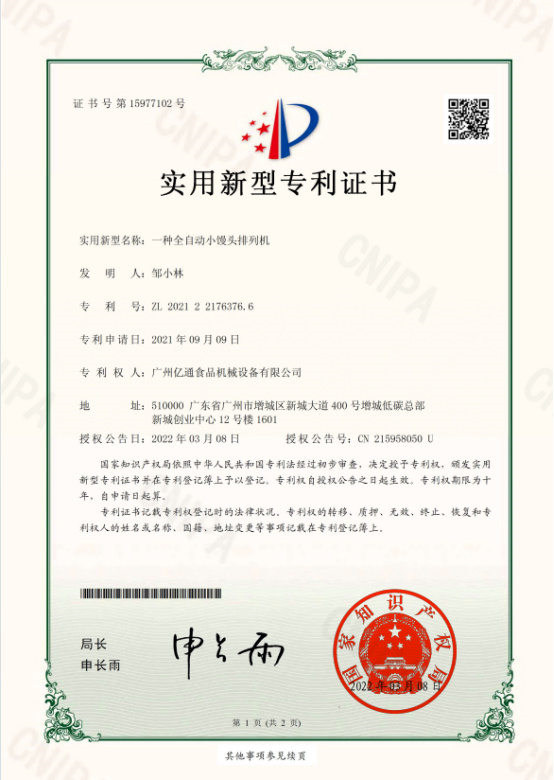
“Does acceptance mean a Factory Acceptance Test or a Site Acceptance Test?” must be answered before a payment milestone is attached to the result. A factory run records performance under the agreed supplier-site conditions; it is not a substitute for acceptance of the installed line under the buyer’s site conditions.
Freeze the test recipe.
Record each raw material, the syrup system, inclusions and target geometry.Define the measured output.
State whether the figure is fried strip, formed mass or accepted finished pieces.Define the timed window.
Record planned stops, start-up material, rejects and accepted product.Run before crating.
A full-load run test is completed and the video plus written record is sent for approval. The run test uses the agreed recipe, timed window and measurement point.Close the punch list.
Open items, owner, corrective action and completion evidence stay attached to the record.Repeat on site.
Site acceptance checks the installed utilities, interfaces and buyer operating conditions after shipment.Bought-in components
“Can I re-source a bought-in component myself?” is answered in the quotation. Motors, inverters, PLC and touch-screen components are listed by brand and part number so the buyer can check availability.
Energy-control responsibility
The buyer, as employer, owns its written lockout/tagout program, training and periodic inspection under 29 CFR 1910.147. The design review should map electrical, pneumatic, thermal and mechanical isolation points so the approved equipment specification can support that site procedure.
×
![Enlarged view]()
Where a Continuous Sachima Line Is the Wrong Tool
A continuous line is valuable when stable recipes, sustained volume and repeatable acceptance rules justify the linked train. It is the wrong call when the factory cannot support the footprint or when product development still changes faster than the process can be frozen.
| Situation | Why it works against the buyer | Better next move |
|---|---|---|
| No 70 m straight equipment envelope | The brochure footprint does not fit before service, sanitation and egress space are added; 21 CFR 117.40(a)(3) also requires adjacent spaces to permit cleaning and maintenance. | Send a scaled floor plan for an engineered layout study before requesting a final price. |
| Very small or intermittent batches | A linked continuous train adds cleaning, warm-up and changeover work that may dominate a short run. | Evaluate individual machines or a semi-automatic batch route first. |
| Recipe is still changing every run | Proof, fry, syrup and forming conditions cannot be accepted against a moving target. | Complete bench or pilot trials and freeze the commercial recipe before line acceptance. |
| No suitable gas, exhaust or drainage route | The listed gas load and food-processing sanitation needs cannot be solved by the machine alone. | Complete a facility utility and code review before design approval. |
| Packaging must be part of one guaranteed rate | The brochure's eight-station core ends at shaping and cutting. | Name the packaging equipment, accumulation and accepted downstream rate as a separate quotation boundary. |
Sachima Production Line Evaluation Tools
Evaluation Tool
Sachima FAT Throughput Record
Turn one timed factory acceptance test sample into a measured good-product rate. The 1,000 kg/h brochure figure remains a rated capacity until the recipe, measurement point, test duration and reject rule are written into the acceptance protocol.
Evaluation Tool
YT-30 Layout Envelope Checker
Compare a clear indoor rectangle with the brochure-listed YT-30 machine envelope of 70 m × 1.3 m × 3.5 m. A pass means the equipment envelope fits only; it does not include service aisles, structural supports, exhaust, drainage, utility skids or legal clearances.
Frequently Asked Questions
NODE // READY
Start with accepted product per hour, recipe and inclusion load, piece geometry, available straight-line footprint, electricity, gas, air, exhaust and packaging boundary. Then compare suppliers using a written station list and a recipe-bound factory acceptance test rather than a bare capacity claim.
The brochure describes an automatic linked train covering eight stations from dough cutting through shaping and cutting. Upstream dough preparation, downstream packaging and site systems belong in the quotation only when they are explicitly named.
It is the brochure-listed rated capacity, not an unconditional good-product guarantee. The acceptance protocol must identify the product state being weighed, recipe, timed window, planned stops, rejects and measurement point. Use it as a comparison datum, not as a recipe-independent output promise.
The brochure lists 88 kW, natural gas at 4 kPa and 30 m³/h, plus compressed air at 0.2 m³/min and at least 0.6 MPa. Destination voltage, phase, frequency, treated-air quality, ventilation and connection details are confirmed during design review.
The listed equipment envelope is 70,000 × 1,300 × 3,500 mm. The final plant layout must add cleanable adjacent space, maintenance access, utilities, drainage, exhaust, material flow and local safety clearances.
The supplied finished-product photography shows inclusion-bearing sachima. The buyer's actual inclusion type, size and load still require a mixing and cutting trial before they become an accepted production recipe.
It is a poor first choice for very small intermittent batches, an unstable commercial recipe or a facility without the required straight-line footprint and utilities. Individual machines or a semi-automatic batch route may be a better engineering study in those cases.
A full-load factory run test is completed before crating, with the video and written test record sent for approval. The recipe, measurement basis and completion criteria must be agreed before the test so the record is meaningful.
Motors, inverters, PLC and touch-screen components are identified by brand and part number in the quotation. This lets the buyer check availability and re-source a named part without relying on an unlisted substitution.
Engineer-reviewed quotations are returned within 24 hours on business days. Production is scheduled at 60–90 working days; payment is 30% T/T deposit and 70% before shipment, with EXW, FOB and CIF available and FOB as the default.
Record the approved recipe, product state being weighed, test duration, planned stops, accepted and rejected output, utilities, setpoints, component list, open punch items and named approvers. Keep the site acceptance result separate from the supplier-site factory test.