Get in touch with UDTECH Company

ISO Certified
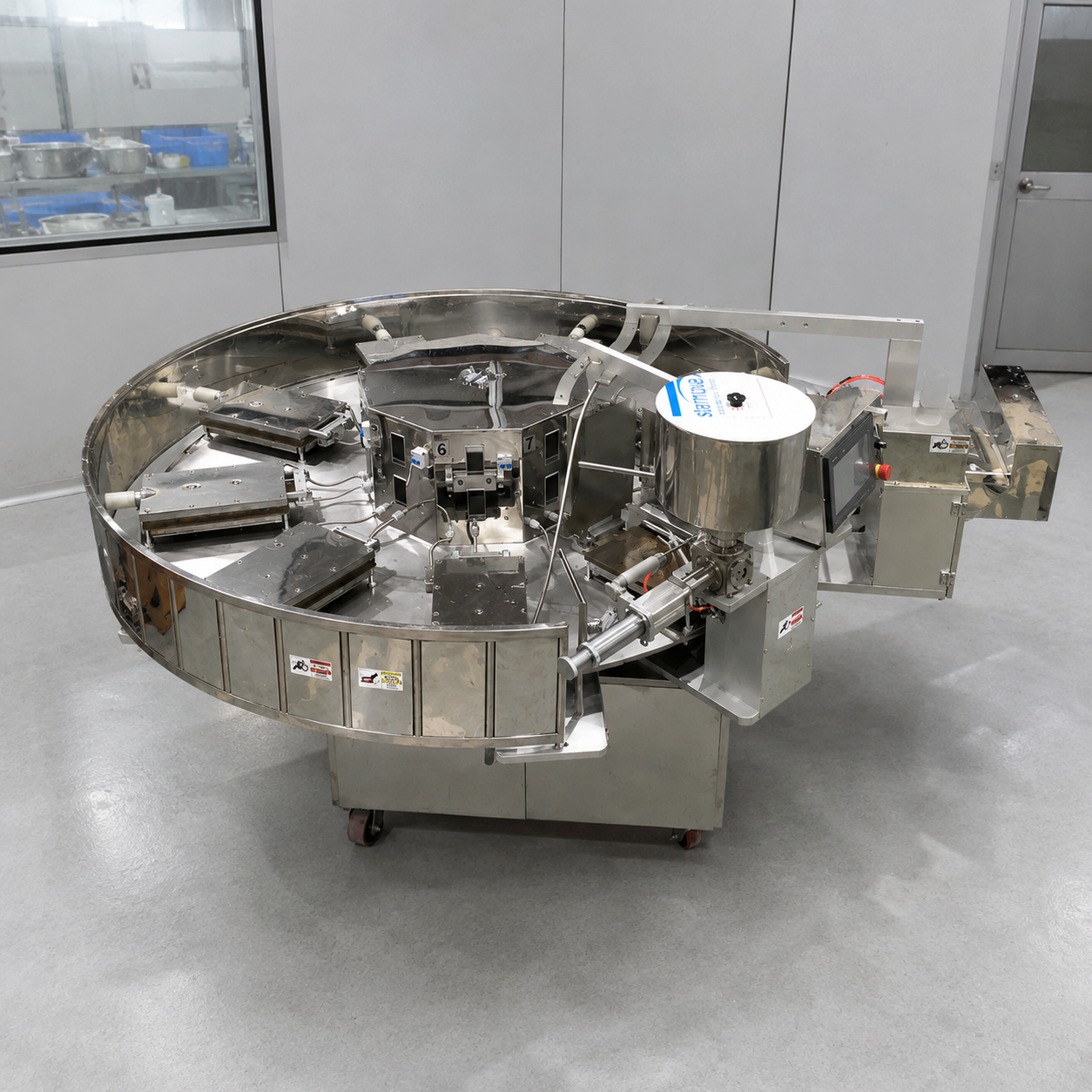
Egg Sheet & Hawthorn Crisp Machine
YT-02DP Automatic Rotary Sheet & Crisp Machine
UD builds YT-02DP as an automatic rotary egg sheet and hawthorn crisp machine for slurry depositing, flat-disc baking across rotating stations, and finished-product removal. The same platform supports pancake sheets, hawthorn slices, mini mesh pancakes, and small round pancakes in factory production.
- Approximately 8,000 pieces/h brochure rating
- 2700 × 2100 × 1500 mm
- Three-phase 380 V
- One-machine-set minimum order
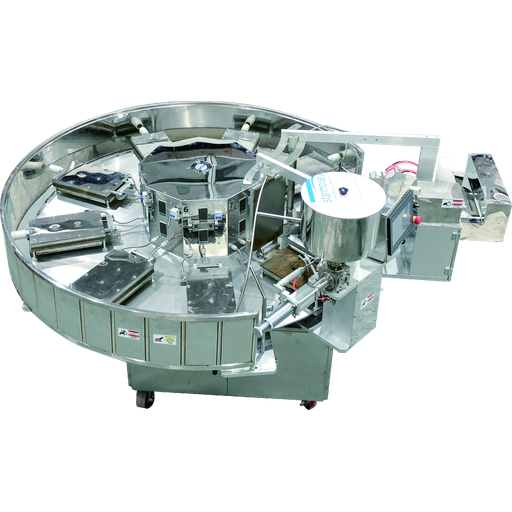
YT-02DP at a Glance
A product-family mismatch becomes a configuration risk because the 8,000 pieces/h brochure rating does not show whether the submitted sample releases cleanly. UD’s review ties the sample, utility schedule and acceptance plan to the same quoted machine.
Rotary Process
Automatic depositing, baking and take-off
Nominal Output
Approximately 8,000 pieces per hour
Machine Footprint
2700 × 2100 × 1500 mm
Electrical Input
Three-phase 380 V brochure configuration
Compressed Air
0.4–0.7 MPa
Quote Starting Point
Finished sample plus target dimensions
Rotary Forming and Baking Capabilities
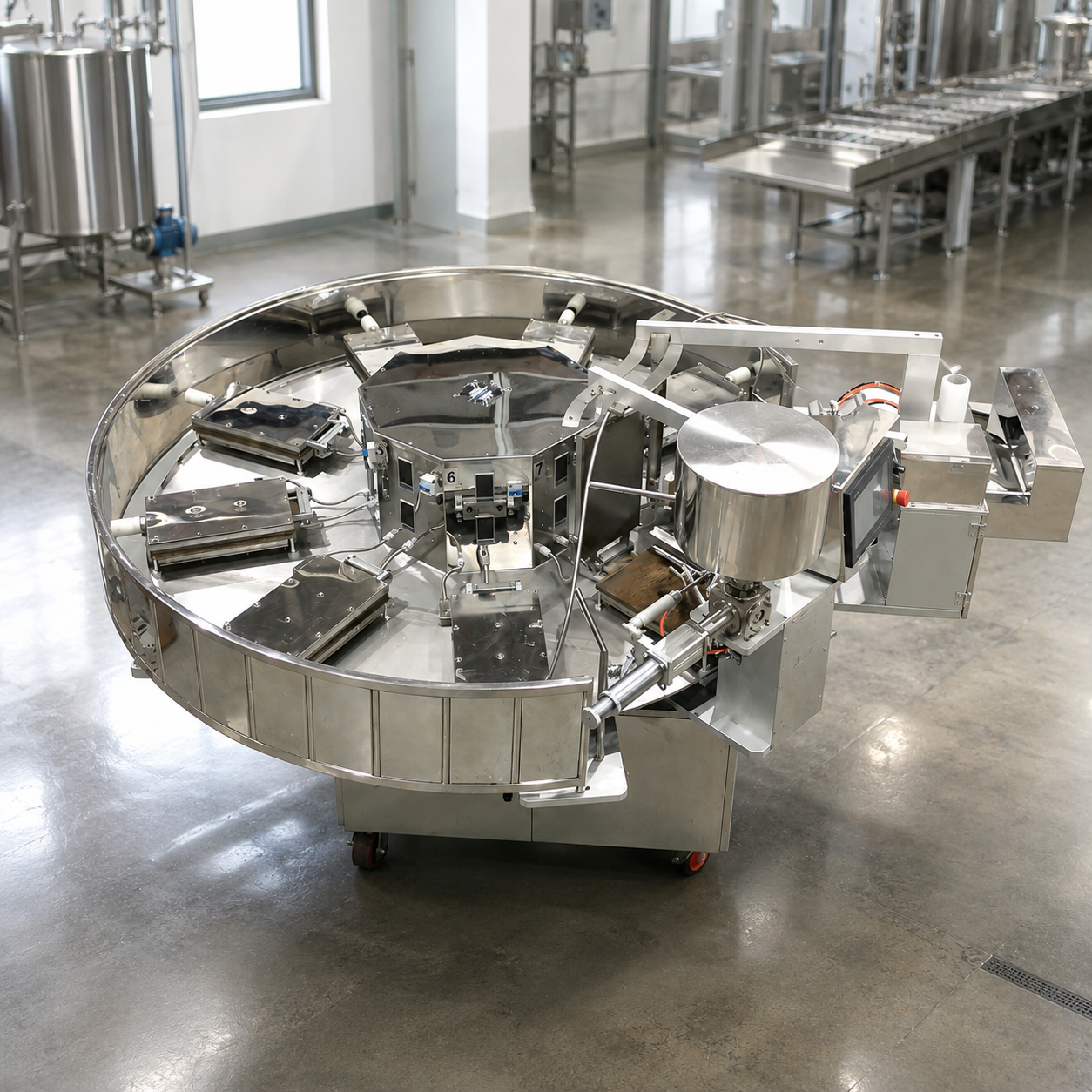
YT-02DP forms each piece directly from slurry on a rotating multi-station platform; it is not a slicer for a pre-cooked egg. Depositing, heating, and release have to be reviewed together because formula changes affect spread, bake, and take-off at the same time.
Automatic slurry depositing
The feed stage places the prepared slurry into the selected disc or sheet format. Our engineers match the feed concept to the submitted formula family and finished sample before configuration approval.
Multi-station rotary baking
The rotating layout moves the product through controlled heating positions. Target color, texture and the required thermal process define the verification plan.
Automatic finished-product take-off
The release stage transfers each formed piece away from the baking position. Surface pattern, thickness and release behavior are reviewed together instead of as separate settings.
Industrial intent, clearly separated
This machine is built for factory-scale flat discs and sheets. It is not a countertop breakfast pan, sandwich appliance, kitchen egg cooker, steam unit, omelet fryer, or hard-boiled-egg processor.
Compatible Product Families and Input Review
A buyer needs the current product and future product plan defined before comparing headline output. Materials of construction, food-contact access and formula behavior enter the same review, and a higher brochure rate is not a substitute for sample validation.
Pancake sheets
Submit the sample diameter, thickness, surface pattern, color and target texture. Include whether the sheet is packed flat, folded or transferred to another process.
Hawthorn slices or crisps
Identify the hawthorn formula family, solids behavior, target piece geometry and required drying or thermal endpoint. A different fruit-based product may require a different feed, release and cleaning review.
Mini mesh pancakes
Provide the mesh pattern, finished diameter and acceptable open-area appearance. The sample shows whether the planned surface geometry and batter flow belong in the same configuration.
Small round pancakes
State the target weight, diameter, thickness and downstream packaging handoff. The review also records whether each piece must stay flexible or finish as a crisp.
Eleven inputs for a useful review
- Finished sample and formula family
- Allergen declaration and changeover rule
- Target diameter, thickness, weight and surface pattern
- Target color, texture and throughput
- Required time-temperature process and packaging handoff
YT-02DP
Disc Formats, Surface Patterns, and Configuration Scope
A format change can alter the tray or plate, slurry deposit, heating exposure, and product release. That is why a custom diameter is quoted together with the linked feeding, baking, and take-off decisions.
| Output Route | Physical Process | Configuration Decision |
|---|---|---|
| Flat round disc | Deposit, rotary bake, release | Diameter, thickness, surface and texture |
| Mesh-pattern disc | Patterned forming surface plus rotary bake | Pattern geometry, flow and release behavior |
| Hawthorn slice or crisp | Fruit-formula depositing and controlled heating | Formula behavior, thermal target and cleaning boundary |
| Rectangular or continuous wrapper | Different sheet-forming and transfer architecture | Route to a wrapper line when the required sample is not a rotary disc |
YT-02DP Technical Specifications
These are the current YT-02DP brochure values. Treat nominal output as a planning figure until the agreed recipe, dimensions, and finished sample complete the verification run.
| Specification | YT-02DP Brochure Value | Buyer Check |
|---|---|---|
| Machine dimensions | 2700 × 2100 × 1500 mm (106.3 × 82.7 × 59.1 in) | Confirm access, operating clearance and service space |
| Heating power | 9 × 2.5 kW | Confirm installed load and heating configuration |
| Transmission power | 1.5 kW | Confirm drive and control-panel scope |
| Power supply | Three-phase 380 V | Confirm plant voltage, frequency, protection and local approval path |
| Air-pressure requirement | 0.4–0.7 MPa | Confirm dry compressed-air capacity at the machine connection |
| Net weight | 900 kg (approximately 1,984 lb) | Confirm floor loading and handling route |
| Nominal production output | Approximately 8,000 pieces per hour | Verify against approved recipe, dimensions and sample |
United States Electrical Review
Available utilities and the operating environment belong in the equipment specification. OSHA 29 CFR 1910.303 makes voltage, current capacity, specific use, labeling and electrical ratings part of suitability, so our site review records the plant supply and approval route before configuration freeze.
Process Verification and Shipping Documents
21 CFR 117.40 requires food-contact equipment to be adequately cleanable, and 21 CFR 117.35 requires cleaning often enough to protect against allergen cross-contact and contamination. These requirements guide quotation inputs; they do not prove the performance of a particular machine model.
Define the hazard-control boundary.
Start with the formula family, egg or other allergens, required controls, and measurable acceptance limits.Review food-contact access.
Trace every depositing, forming, baking, release, and transfer surface that requires cleaning or inspection.Set the changeover method.
Set the disassembly and cleaning sequence, required verification records, and the condition for restarting production.Freeze thermal acceptance.
Specify the time-temperature process, measurement location, instrument, and finished-product release rule.Close the shipment record.
A commercial invoice and certificate of origin ship with the order.Verification is product-specific
21 CFR 117.135 separates process, allergen and sanitation controls, and 21 CFR 117.165 addresses verification activities and records. Those principles structure buyer inputs; the final food-safety plan and process validation remain specific to the facility, food and approved configuration.
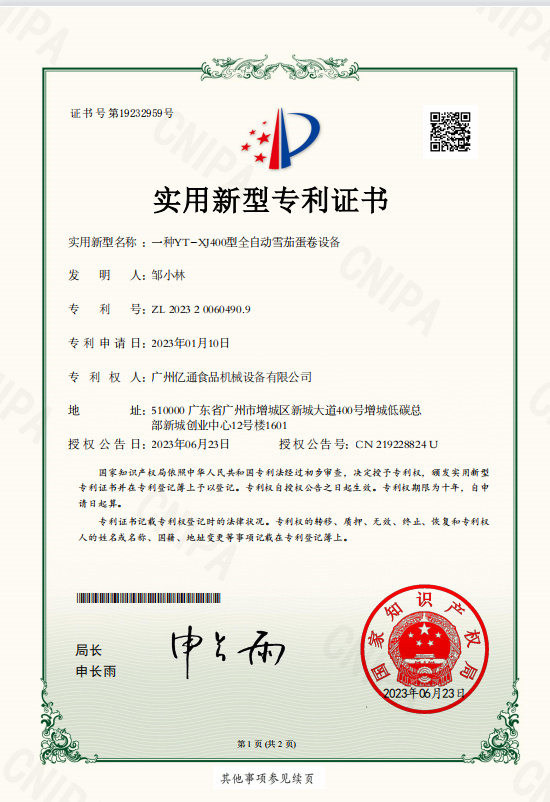
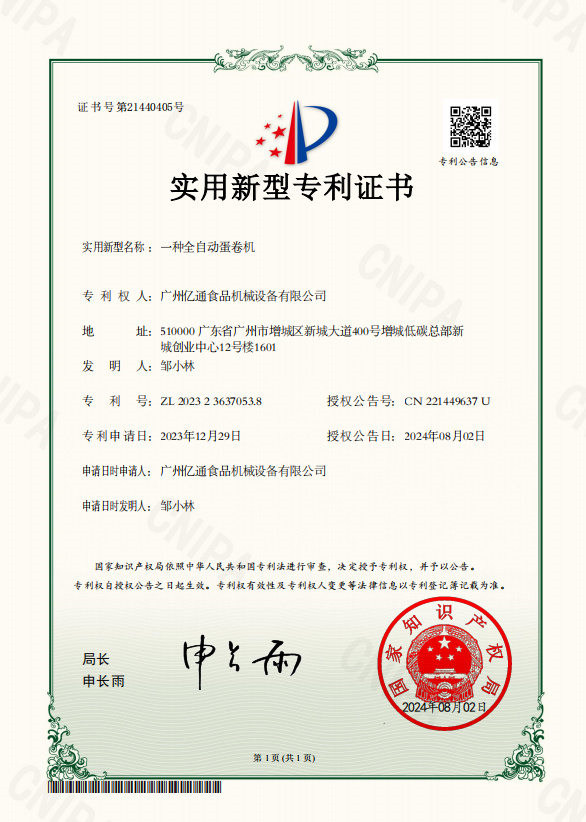
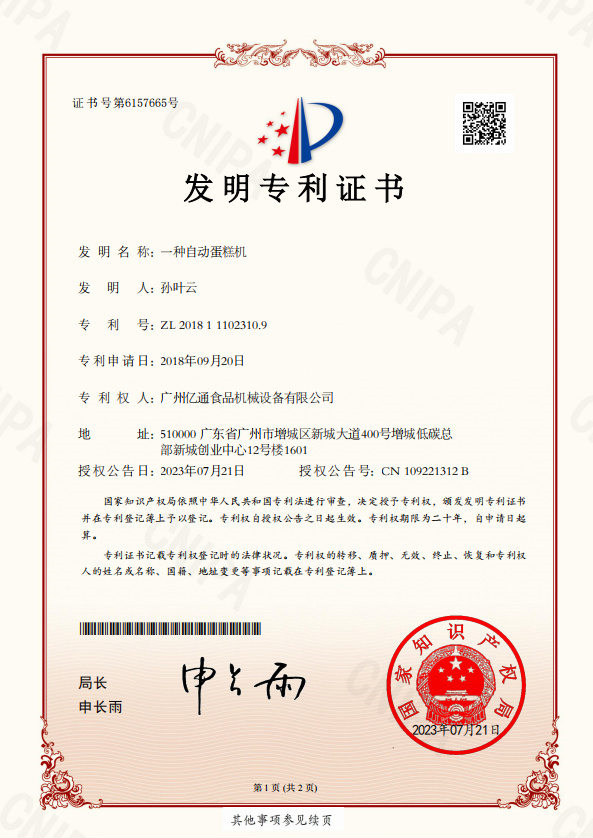
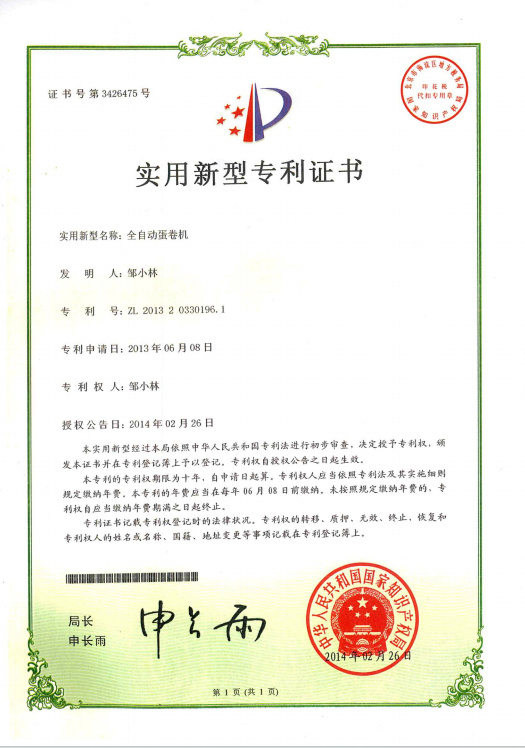
×
![]()
Finished-Product Validation Matrix
This matrix turns a broad customization request into a configuration record that can be reviewed. Every finished-product criterion remains tied to a buyer input, a machine decision, and an acceptance status.
| Validation field | Buyer input | Configuration decision |
|---|---|---|
| Sample identity | Sample ID and formula family | Product route and trial material |
| Food-safety boundary | Allergen class and thermal process | Cleaning, changeover and verification plan |
| Geometry | Diameter, thickness, weight and pattern | Forming surface and depositing scope |
| Sensory target | Color, flexibility or crisp texture | Heating and release review |
| Production target | Pieces per hour and packaging handoff | Acceptance run and line interface |
When a Different Machine Architecture Fits Better
YT-02DP is evaluated around rotary-formed flat pieces, and the surrounding output routes are not interchangeable. The last column shows where to look instead when a required filling, rolling, continuous-sheet or packaging step makes this rotary platform the wrong call.
| Required finished product | Why YT-02DP is not the first route | Architecture to review |
|---|---|---|
| Rolled, filled or cut egg rolls | The process adds filling, folding or rolling after sheet formation | Automatic egg roll machine architecture |
| Continuous spring-roll wrapper web | The output is a continuous sheet rather than a rotary disc | Spring roll wrapper production line |
| Finished haw flakes requiring packaging only | Forming and baking are already complete | Haw flakes packing machine |
| Home or restaurant breakfast portions | The required scale and use environment differ from factory production | Commercial kitchen or countertop cooking equipment |
YT-02DP Equipment Evaluation & Planning Tools
YT-02DP Finished-Product Sample Validation Brief
Turn a labeled sample and production target into a comparable review brief. The result identifies missing inputs; it does not confirm that one setup can run different recipes or allergen classes.
Access ToolYT-02DP Utility & Footprint Fit Checker
Screen your available floor envelope, plant supply and compressed-air pressure against the YT-02DP brochure basis. A “review” result is a question for engineering; it is not a declaration of electrical or installation compliance.
Access ToolYT-02DP Capacity Planning Estimator
Estimate the number of machines needed for a daily piece target under your own planned operating hours and efficiency allowance.
Access ToolYT-02DP Buyer Questions
The brochure lists pancake sheets, hawthorn slices, mini mesh pancakes and small round pancakes. The configuration review uses your finished sample to define the applicable forming and process route.
No. Its documented sequence is slurry depositing, rotary baking and finished-disc removal, so the page uses forming and baking language.
The brochure presents both product families, but formula flow, allergen status, thermal target, release and cleaning can change the required configuration. Submit one labeled sample for each product before treating them as a shared setup.
Provide the finished sample, formula family, allergen class, diameter, thickness, weight, pattern, color, texture, thermal requirement, target rate and packaging handoff. These inputs become the validation matrix.
Use approximately 8,000 pieces per hour as the YT-02DP brochure rating. The acceptance run must verify the required rate with the approved formula, dimensions and finished sample.
The brochure lists three-phase 380 V power and 0.4–0.7 MPa compressed air. Your review must also cover frequency, electrical ratings, protection, air quality, plant connection and local acceptance.
The minimum order quantity starts at one machine set. The written quotation defines the included forming, feeding, electrical and acceptance scope.
Production is scheduled for up to 45 working days after order and specification confirmation. Transit, site work and any separately quoted scope are scheduled against the agreed delivery boundary.
Payment is 30% deposit and 70% balance, with the balance trigger confirmed in the quotation. The trigger is tied to the agreed order and acceptance sequence.
A commercial invoice and certificate of origin ship with the order. Additional destination or broker documents are scoped in the quotation.

![Egg Roll Machine Energy Consumption [Calculation Guide]](https://udmachine.com/wp-content/uploads/2026/09/electric-egg-roll-machine-guide-featured-150x150.png)