Get in touch with UDTECH Company

Pancake Production Line | UDTECH
This pancake production line gives industrial bakeries a definite 32-60-80 mould path from 1,800-5,000 kg per 24 hours. We configure the YT-10 around your sample, engraved baking plate, fuel selection, plant layout and target output.
- Quotes within 48 hours
- 60–90 day production schedule
- On-site commissioning and training
30s Workflow
Line selection in 30 seconds
32 / 60 / 80
Mould configurations
1,800–5,000 kg
Nominal output per 24 hours
6.0–12.0 m
Model-dependent length
Natural Gas / LPG
Declared fuel options
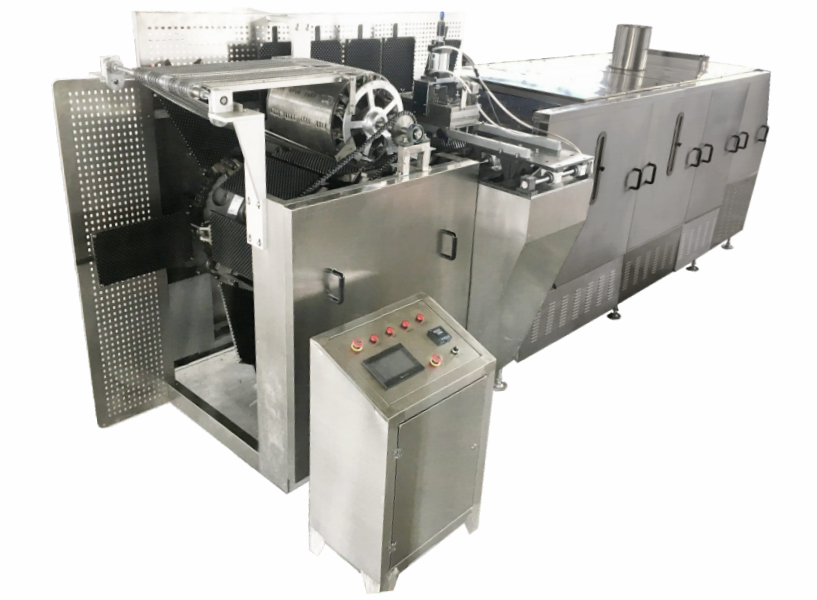
[SYSTEM_VIEW] UDTECH YT-10 platform shown with baking section & plate circulation path.
Start with the finished product
A line that can reach the right mass output may still be wrong for a particular thickness, pattern or release behavior. Headline output is not a substitute for product fit, so the sample comes before model selection.
Check the site at the same time
Available length, gas type, electrical standard, compressed air, exhaust route and downstream handoff can remove a model from the shortlist before detailed design begins.
Make every supplier quote comparable
Use the same sample, output basis, utility limits, line boundary, testing requirement and service scope for each bidder. This prevents a lower headline price from hiding excluded equipment or services.
Engraved-Plate Pancake Production Capabilities
Buying a line by headline capacity alone creates expensive uncertainty. The wrong plate is a production risk because UDTECH’s 24 hour model ratings cannot replace validation of batter flow, deposit weight, plate geometry, heating conditions and release behavior; pancake cooking research likewise treats batter rheology as a process variable, not a fixed assumption.
SYS_OP // 01
Meter the batter
We start with the sample, recipe range and target piece weight so the depositing requirement is defined before plate design and speed are locked.
SYS_OP // 02
Bake between plates
The circulating engraved plates establish product shape and surface pattern while the gas-heated section provides the baking path.
SYS_OP // 03
Release the product
We support needle rolling and air blowing as the documented release methods. The selected method must be checked against thickness, texture and fragility.
SYS_OP // 04
Define the discharge
The quotation defines the line discharge and its interface with your cooling, inspection or packaging equipment instead of treating downstream readiness as an assumption.
FIG.01 // REAL-TIME REF
Engineering InputSend a physical sample or clear product drawing, target dimensions, surface pattern, nominal thickness, recipe window and desired output. We use those inputs to review whether the YT-10 platform is a practical fit, customize the engraved plate definition and adjust the proposal boundary.
UDTECH Engineering RuleSelect the product and plate definition first, then validate the mould count, utilities and output target around that approved format.
Application Engineering Checklist
Sample standard
Identify which product is the approval sample and record its dimensions, weight, color range, surface definition and acceptable edge condition. A photo is helpful, but a physical sample is better for reviewing texture and release.
Operating window
Give the expected recipe variations and daily operating pattern, including startup, planned stops and changeovers. This helps separate nameplate output from the practical production schedule used for capacity planning.
Downstream condition
State whether the product leaves the baking line for manual collection, cooling, inspection or automatic packaging. The required discharge height, orientation and temperature condition belong in the equipment interface.
Interchangeable Baking Plates and Product Formats
The product format is created through a dedicated engraved baking-plate design, not through a generic capacity setting. Because a plate mismatch creates release risk, our UDTECH Template-Swap Product Map connects the sample and recipe window to plate geometry, release behavior and the final model target. Finished formats are not interchangeable without that review, even when they share a 24 hour output target.
ENGINEERING ALERT //
A change in outline, relief depth or thickness can change deposit mass and baking behavior. Treat every new design as a fit check rather than assuming a visual plate swap is sufficient.
Changeover inputs belong in the specification
Identify allergen families, cleaning method and acceptable changeover time before the equipment scope is finalized. Sanitary-equipment guidance consistently treats allergen control and cleanable access as design-stage concerns.
Site rules remain project-specific
Food-contact requirements, cleaning acceptance and local regulatory obligations must be written into the project specification. For covered U.S. facilities, equipment cleanability and the use of compressed air on food-contact surfaces are explicit review items under 21 CFR 117.40.
Heating, Baking, Release and Cooling Process
A useful quotation separates confirmed line functions from site interfaces. The line is intended to produce plate-baked pieces through a circulating process rather than a griddle flip cycle. The matrix below shows what the engineering review should control, what must be supplied by the buyer and what should be checked at acceptance.
Batter depositing
Buyer input
Recipe range, viscosity behavior, deposit weight
Engineering variable
Deposit requirement and plate loading pattern
Acceptance check
Piece weight and cavity fill on the agreed recipe
Plate baking
Buyer input
Target color, texture, thickness and moisture endpoint
Engineering variable
Plate design, heating conditions and residence time
Acceptance check
Approved sample appearance across the defined trial
Product release
Buyer input
Fragility and acceptable edge condition
Engineering variable
Needle rolling or air blowing selection
Acceptance check
Release quality and reject definition
Discharge & cooling
Buyer input
Packaging inlet condition and available floor space
Engineering variable
Ambient discharge or separate cooling scope
Acceptance check
Stable handoff to inspection or packaging
Site Safety Protocol
Gas-heated equipment needs a site safety review. Fuel train, ventilation, exhaust, purge and interlock requirements depend on the installed configuration and local authority. NFPA 86 is one relevant industrial oven and furnace reference in applicable projects, but the governing code must be established for the destination site.
01
Define a measurable color range
Use approved light and dark samples or an agreed instrument method. General terms such as “golden” are too subjective for a repeatable acceptance decision.
02
Separate startup from stable running
Record how the first products after heat-up are handled and when the acceptance run begins. This avoids mixing startup adjustment with the stable production window.
03
Specify the reject boundary
List critical defects such as incomplete fill, sticking, breakage or unacceptable color. The trial plan should state sampling frequency and how rejects are counted.
32–60–80 Mould Output Ladder and Utility Requirements
The UDTECH 32–60–80 Mould Output Ladder gives procurement and production teams one comparison basis for line length, connected power, fuel and output. Use the published ladder to shortlist a model, then validate the result with your product and operating assumptions. The wrong choice creates capacity risk because the 24 hour model specifications cannot predict sellable output without the approved product, deposit weight, plate design, recipe and operating schedule.
| Specification | YT-10-32M | YT-10-60M | YT-10-80M |
|---|---|---|---|
| Mould count | 32 | 60 | 80 |
| Nominal output per 24 h | 1,800 kg | 3,500 kg | 5,000 kg |
| Total line length | 6.0 m | 9.8 m | 12.0 m |
| Confirmed line width | Confirm for project | 1.6 m | Confirm for project |
| Confirmed line height | Confirm for project | 1.9 m | Confirm for project |
| Connected electrical power | 3 kW | 3 kW | 5 kW |
| Natural gas consumption | 8 m³/h | 14.5 m³/h | 19 m³/h |
| LPG consumption | 4 kg/h | 8 kg/h | 14 kg/h |
| Confirmed compressed-air demand | 0.6 m³/min | Confirm for project | Confirm for project |
32M for the lowest published output band ENTRY STEP
Use 32M as the first shortlist when approximately 1,800 kg per 24 hours and a 6.0 m line length fit the plan. Confirm whether the product and shift pattern can use that nominal output efficiently.
60M as the middle capacity step MID CAPACITY
Use 60M when the 3,500 kg per 24 hours target and the confirmed 9.8 × 1.6 × 1.9 m machine envelope suit the plant. Keep operating clearance and service access outside that machine envelope.
80M for the highest published band HIGH OUTPUT
Use 80M as the first shortlist near 5,000 kg per 24 hours, subject to the 12.0 m line length and higher fuel demand. Validate downstream cooling and packaging capacity so the baking line does not move the bottleneck.
Dimensions and consumption figures are selection inputs, not final installation drawings. Use one unit basis across supplier comparisons, then confirm gas pressure, electrical standard, available air quality and pressure, access clearances, exhaust routing and foundation conditions in the approved technical specification.
Pancake Production Line Price Drivers, Lead Time and Terms
There is no responsible one-price answer without a defined product and scope. Plate count, custom engraving, line length, fuel configuration, discharge or cooling interface, control requirements, destination electrical standard, documentation, freight and installation all change the quotation.
Price and scope are a trade-off, not separate questions. An incomplete RFQ creates hidden integration risk because UDTECH cannot compare a 48 hour quotation scope until the product, utilities and equipment boundary are defined. Request a specific engineering quote against the same boundary used for every supplier.

FIG.02 // TARGET PRODUCT
Engineering Boundary DefinitionFor a comparable quote, define the boundary. State whether the request includes only the baking line or also cooling, inspection, product transfer, packaging connection, factory acceptance testing, on-site services, freight and destination documentation.
CLAUSE // 01
Quotation
We return an engineer-reviewed quotation within 48 hours on business days after receiving the required inputs.
CLAUSE // 02
Production
We schedule manufacturing at 60–90 days and confirm the applicable schedule in the quotation.
CLAUSE // 03
Payment
Our standard commercial term is 30% T/T deposit and 70% balance before shipment.
CLAUSE // 04
Ownership cost
Compare utilities, changeover labor, cleaning time, spare parts, downtime exposure and downstream equipment as well as purchase price.
Application Engineering Checklist
P-01
Product and plates
INFO TO SUBMIT
Samples, drawings, number of formats and plate-change plan
SCOPE IMPACT
Determines engraving work, plate quantity and product trials
P-02
Capacity basis
INFO TO SUBMIT
Required sellable output, hours per day and planned changeovers
SCOPE IMPACT
Determines the model shortlist and realistic operating reserve
P-03
Utilities & compliance
INFO TO SUBMIT
Fuel, voltage, frequency, site rules and destination country
SCOPE IMPACT
Determines configuration, documentation and installation inputs
P-04
Line boundary
INFO TO SUBMIT
Cooling, transfer, inspection, packaging and service responsibilities
SCOPE IMPACT
Prevents hidden gaps between equipment packages
AUTO.EGG.ROLL
Quality Control, Installation and Warranty Support
The safest procurement path converts expectations into an approved technical specification and acceptance plan. Product sample, declared recipe window, target output, utilities, plate drawings, release condition and line boundary should be settled before the build starts. A missing site interface becomes a startup risk because UDTECH's 3–5 kW connected-load range is only one part of the utility package.
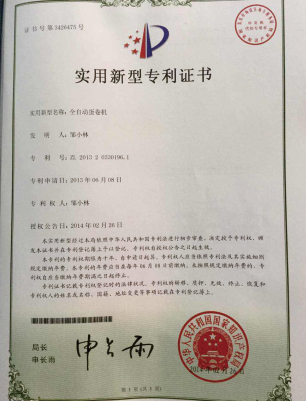
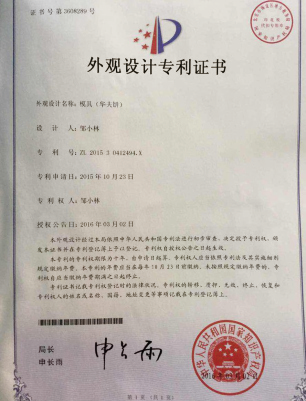
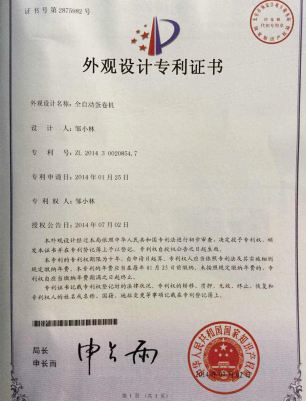
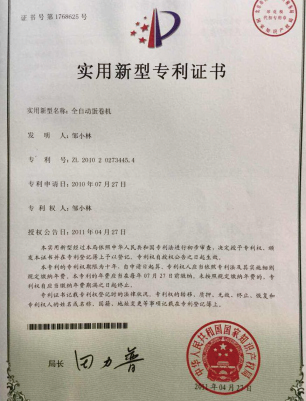
Acceptance definition
Agree the test recipe, run duration, inspection points, sample standard and pass criteria in writing. Factory acceptance verifies the agreed machine scope; site acceptance confirms performance after utilities and downstream interfaces are connected.
Installation and training
We provide on-site installation, commissioning and operator training. When travel or site access prevents attendance, we provide remote commissioning support and illustrated manuals as the documented fallback.
Warranty and wear parts
Every line carries a 12-month warranty from delivery. We ship wear parts within 5 working days after the required part is identified and the shipment details are confirmed.
Before factory testing
Confirm who provides ingredients, which recipe is used, how much material is needed and whether buyer representatives will attend. Record any substitute recipe and its effect on acceptance.
Before shipment
Close the test record, packing list, utility schedule, installation drawing, manuals and wear-parts list. Open actions should have an owner and due date rather than disappearing into an informal message thread.
Before site startup
Verify that utilities, ventilation, access, lifting, product ingredients and downstream equipment are ready. A machine cannot demonstrate the agreed line result while the site interfaces remain incomplete.
From Product Sample to Commissioned Line
A disciplined startup begins before the equipment reaches the plant. Skipping written responsibilities creates delay risk because UDTECH and the buyer must align the agreed machine scope with a 24 hour operating basis, utilities and downstream interfaces. Manufacturing-line launch guidance likewise recommends early supplier involvement, documented factory testing, commissioning planning and spare-parts preparation rather than leaving these decisions to installation week.
01
STEP 01
Fit review
Send the product sample, recipe range, dimensions, pattern, thickness, output and factory constraints.
02
STEP 02
Technical proposal
We map the product to a plate concept, model target, utility demand and defined line boundary.
03
STEP 03
Approval
Confirm drawings, technical specification, acceptance criteria, commercial terms and delivery scope.
04
STEP 04
Build and test
We manufacture the approved configuration and conduct the documented pre-shipment checks and agreed factory test.
05
STEP 05
Commission and hand over
We install, commission and train on site, or use the stated remote-support fallback when attendance is not possible.
AUTO.EGG.ROLL
YT-10 Line and Baking Plate Gallery
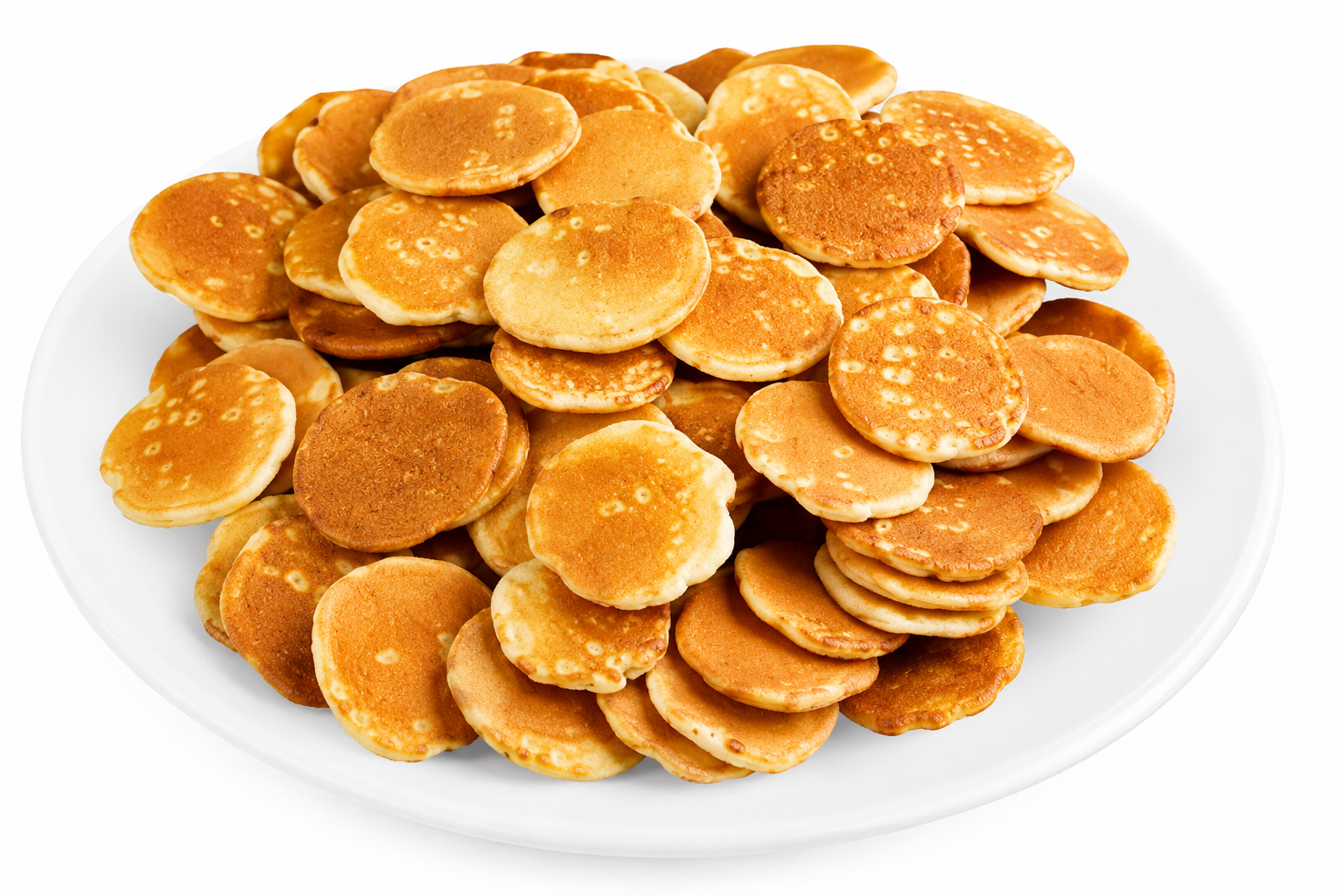
The images below show the supplied YT-10 equipment platform and pancake formats associated with the engraved-plate product family. Since 2003, UDTECH has accumulated years of food-machinery manufacturing experience across two production bases, while the factory profile records 130 acres of manufacturing space. Final plate artwork and line configuration are approved for each project.
Established in 2003
We have manufactured food-processing machinery since 2003.
Two production bases
We operate two production bases covering a combined 130 acres.
Manufacturing investment
Our company profile records nearly RMB 200 million in manufacturing investment.
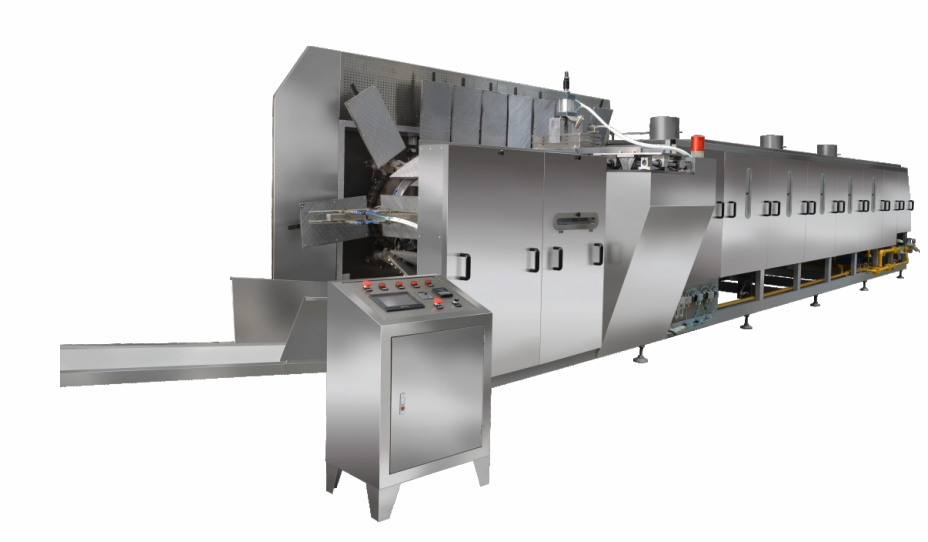 SYS.VIEW / YT-10
UDTECH YT-10 pancake baking production line
YT-10 gas-heated baking line with operator station and enclosed process sections.
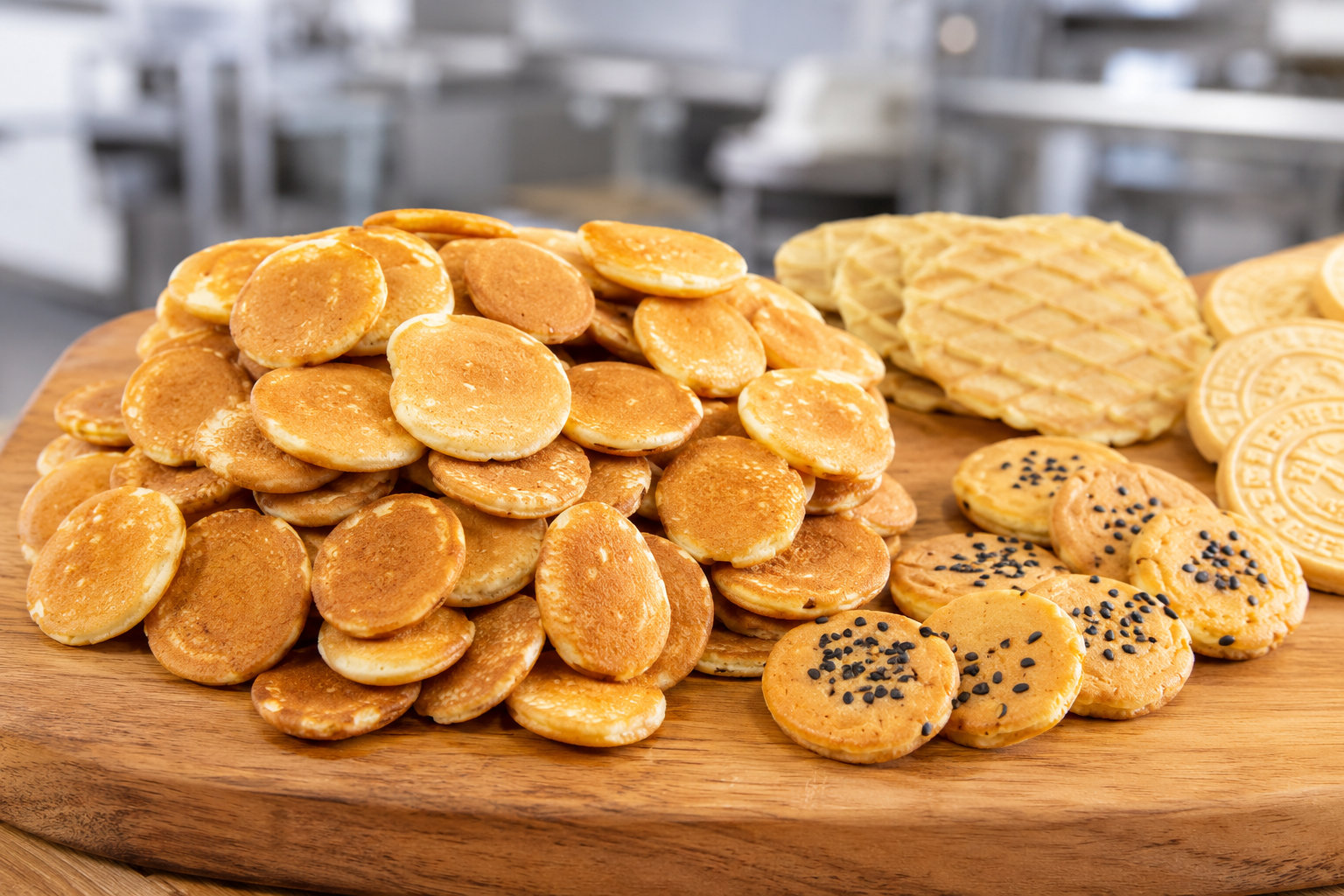
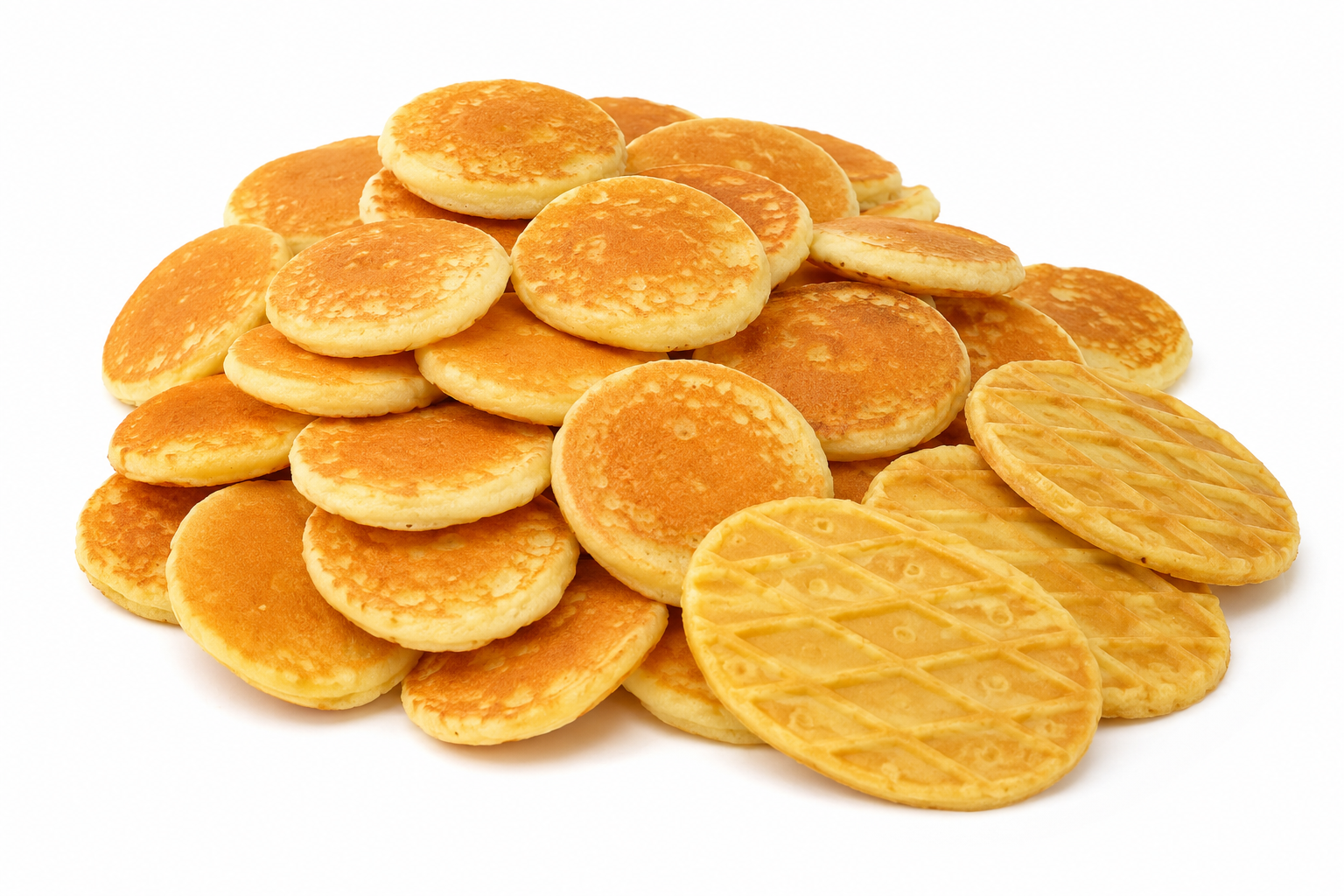
 FORMAT / R-LAT
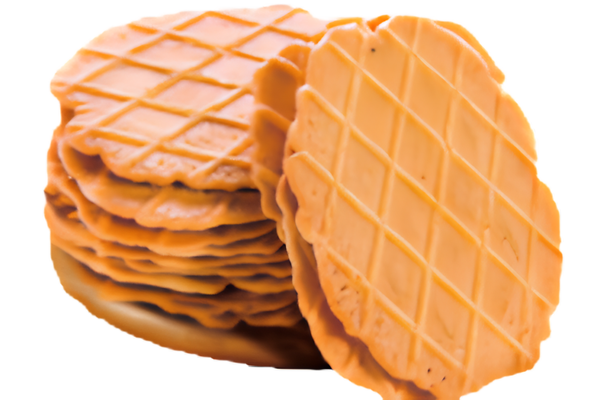
Round lattice pancakes
Round lattice pancake format.
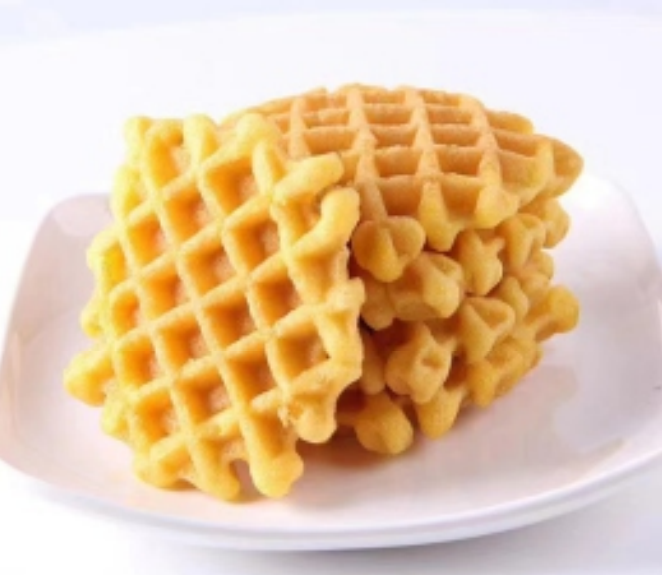 FORMAT / S-LAT
Square lattice pancakes
Square lattice pancake format.
ENGRAVED PLATE
PROCESS COMPATIBILITY
When a Pancake Production Line Is Not the Right Equipment
The YT-10 is an industrial engraved-plate baking line. It is not a countertop hotel pancake machine, home appliance, crepe griddle, dough-sheeting line, cake production line or a general-purpose machine for every food sold as a pancake. If your process does not bake between engraved plates, this platform is the wrong choice.
Restaurant-scale service
Choose a compact food-service machine when the goal is on-demand portions rather than continuous factory output.
Thin crepes or sheeted dough
Choose equipment built around a griddle or dough-sheeting process when the product is not formed and baked between engraved plates.
Unproven recipe and sample
Complete a product-fit review before selecting a production model when the recipe window, target thickness or release behavior is still unknown.
SCAN // PANCAKE-MATRIX
Production Line Planning Tools
Production Line Model Selector
Evaluate target capacity, factory footprint, and automation levels to configure the ideal YT-10 equipment platform for your facility.
Access ToolSite Utility Planner
Calculate required electrical loads, gas consumption, and compressed air specifications to ensure your site is prepared for installation.
Access ToolPlate & Output Fit Check
Validate your product sample, recipe window, and plate geometry against the 32M–80M target output bands to prevent release risks.
Access ToolRFQ Readiness Checklist
Verify that all utility interfaces, allergen controls, and site rules are defined before formalizing the equipment scope and procurement.
Access ToolStart with required output and available floor length: 32M is rated at 1,800 kg/24 h and 6.0 m, 60M at 3,500 kg/24 h and 9.8 m, and 80M at 5,000 kg/24 h and 12.0 m. Then validate the shortlist against your product sample, plate layout, recipe and operating schedule.
Price depends on model size, engraved plate design, fuel configuration, controls, discharge or cooling scope, electrical standard, testing, freight and installation. Send the six RFQ inputs below for a project-specific quotation.
The platform uses product-specific engraved baking plates, so alternative shapes and patterns can be reviewed through a plate-change plan. Each format still needs an approved plate definition and a fit check for deposit mass, baking and release.
Published connected power is 3 kW for 32M and 60M and 5 kW for 80M. Natural gas demand is 8, 14.5 or 19 m³/h respectively; LPG demand is 4, 8 or 14 kg/h, while compressed-air demand is confirmed at 0.6 m³/min for 32M and must be confirmed for the other models.
We return the quotation within 48 hours on business days after receiving the required information, and production is scheduled at 60–90 days. Commissioning duration depends on site readiness, utility connections, travel scope and the agreed acceptance plan.
Yes. We provide on-site installation, commissioning and operator training, with remote support and illustrated manuals as the fallback; every line carries a 12-month warranty from delivery.
The boundary must be defined in the quotation. State the required packaging inlet condition, available cooling space and downstream equipment so ambient discharge, a separate cooling scope and the transfer interface can be reviewed explicitly.
Do not assume filling, sandwiching or sealing from the baking-line specification. Send the complete finished-product sample and required downstream process so UDTECH can confirm whether a separate solution is needed.