Get in touch with UDTECH Company

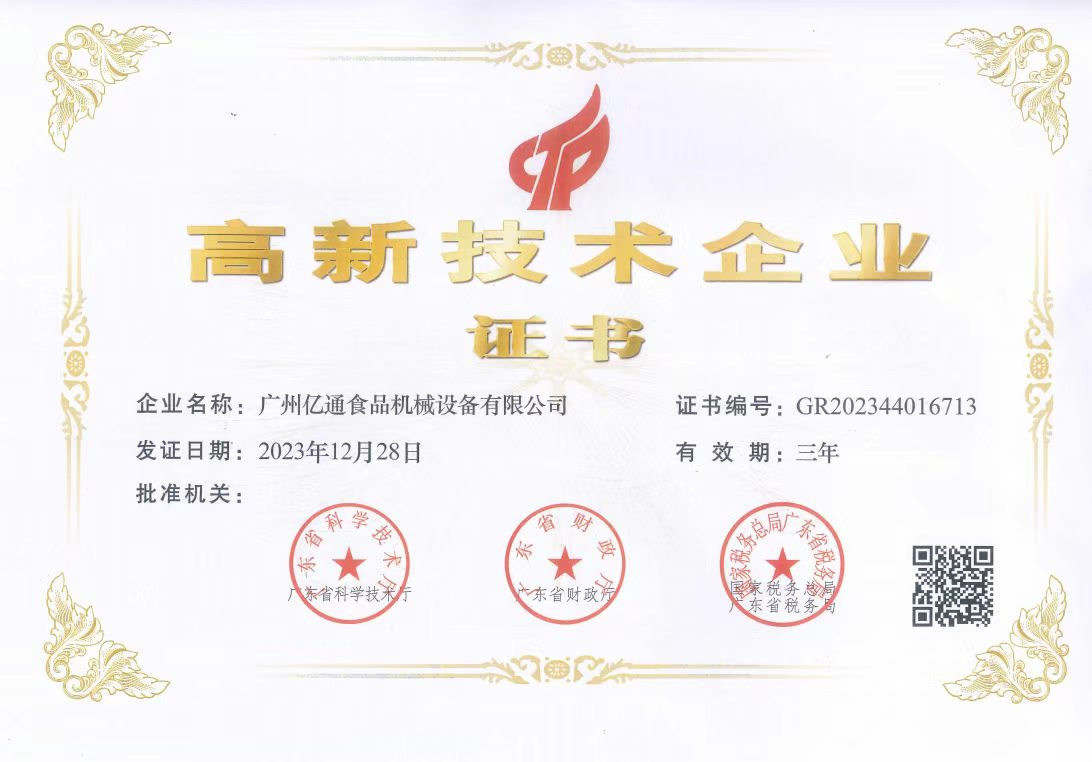
ISO Certified
YT-02G Specialty Product Machine
Automatic Kuih Kapit Machine for Commercial Love Letter Production
Match an automatic kuih kapit machine against the biscuit you intend to sell, not just a model name. Each review starts with the target wafer, then separates depositing, baking, release, folding or rolling, and discharge so the quotation identifies exactly where an operator is still involved.
Send a photo of your specific finished product and, if possible, a sample. Add the required capacity, destination supply voltage and available installation space. These initial details enable an engineer to confirm production feasibility before quoting a precise configuration.
Request a Verified Configuration and QuoteFinished food
Thin patterned kuih kapit or love letter waferGeometry decision
Flat, folded and rolled forms reviewed separatelyQuote response
Within 24 hours on business daysProduction lead time
15–20 working daysMinimum order
1 setAcceptance basis
Your product, recorded settings and accepted output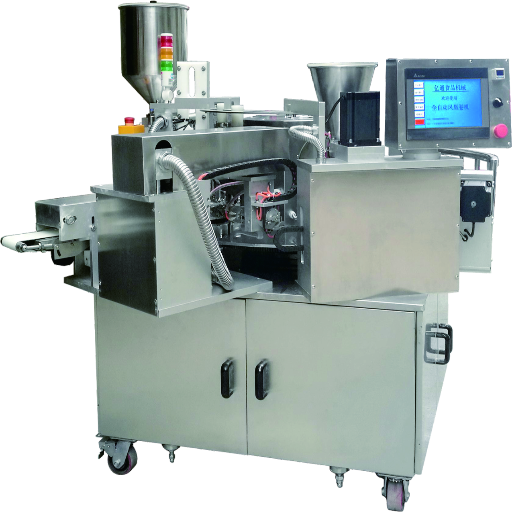
Engineer-reviewed quote within 24 hours
Production lead time: 15–20 working days
Minimum order: 1 set
Payment: T/T
YT-02G
Kuih Kapit Automation Boundary
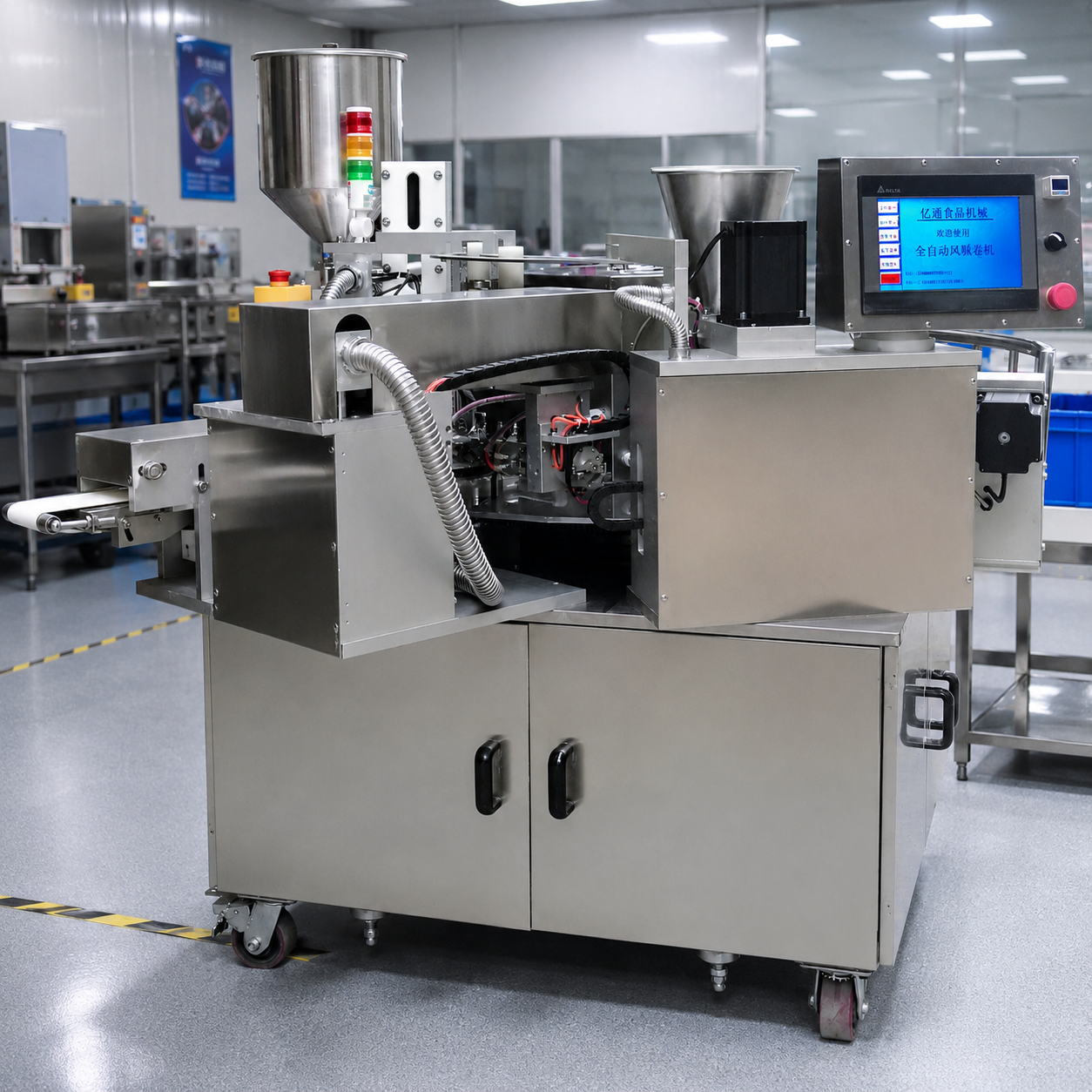
A commercial machine can mechanize the hot baking cycle while leaving the most fragile forming step to an operator. The sequence below separates every stage because a public semi-automatic kuih kapit configuration automates plate movement and batter depositing while keeping folding manual, whereas a separate automatic egg-roll configuration publishes a broader forming sequence.
Kuih Kapit Automation Boundary Map
Unlike a brochure feature list, the boundary records who or what touches the product at each transfer. The trap is approving an automatic label while a manual release or folding step still determines staffing and accepted output.
- Automation label hides labour at transfer points.
- Product geometry is a tooling and mechanism decision.
- Headline capacity is not accepted output.
- Cleaning time is a capacity variable.
- Quotations are incomparable without scope normalization.
- A factory demonstration is not an acceptance test.
The hidden bottleneck
The highest handling risk sits between hot-wafer release and final forming. A wafer that releases late, cools too far or reaches a manual station faster than it can be folded reduces accepted output even when the baking plates keep cycling.
1
Batter feed
Verify
Confirm whether preparation, holding, agitation and replenishment sit inside the machine scope.
Quote input: recipe, viscosity range and replenishment method.
2
Depositing
Verify
Request the dosing method and evidence of portion consistency on the buyer’s batter.
Quote input: target weight, diameter and acceptable spread.
3
Baking
Verify
Record plate temperature, baking time, plate pattern and the conditions used for a sample run.
Quote input: colour, crispness and moisture target.
4
Release
Critical
Observe sticking, breakage, release timing and any manual intervention over a sustained run.
Quote input: recipe oil/sugar range and release surface.
5
Final forming
Critical
Do not combine flat, fan-folded, triangle-folded and rolled products under one capability statement.
Quote input: reference sample, fold count, roll diameter and pattern orientation.
6
Discharge
Verify
Confirm removal, trim handling, rejects, cooling and the handoff to trays or downstream packing.
Quote input: discharge height, cooling method and packing interface.
Recipe and Product-Form Fit
Batter composition changes release, spread, browning and the time available for forming. We ask for the actual commercial recipe or a controlled sample batch because a demonstration on a supplier recipe does not establish performance on your sugar, fat, starch and water balance.
For buyers who sell the product as a cookie in Malaysia, the accepted market name still needs to be tied to the same controlled sample; the label alone does not prove product or machine fit.
Process-control measurement
FDA process-control guidance lists time, temperature, physical dimensions, moisture, viscosity and sensory observations among possible control variables. The product trial should select only the variables that decide whether the buyer’s wafer is saleable.
Flat or lightly curved wafers
Check plate pattern, target thickness and edge definition.
Confirm whether discharge keeps the wafer flat without marking it.
Route layered wafer sheets to a sheet-wafer line rather than assuming category overlap.
Fan or triangle-folded kuih kapit
Freeze the number and direction of folds against an approved sample.
Measure breakage after cooling, not only while the wafer remains pliable.
Confirm whether folding is servo-driven, pneumatic or manual.
Rolled love letter biscuits
Specify finished roll diameter, length, seam position and hollow or filled form.
Observe the release-to-roll transfer at normal line speed.
Use a separate forming assessment when the product includes filling or a wafer-stick geometry.
Recipe change and sample approval
Record batter temperature and mixing-to-deposit time.
Define acceptable colour, crispness, dimensions and visible defects.
Retain the approved sample and settings as the build and acceptance reference.
Production-fit rule
A mould drawing proves geometry but not release or folding performance. A supplier using US English may label the same tooling a mold; freeze the drawing and moulding method, not the spelling. The useful evidence set combines the drawing, the buyer’s batter, an uncut operating run and samples inspected after cooling.
Mould, Heating and Line Configuration
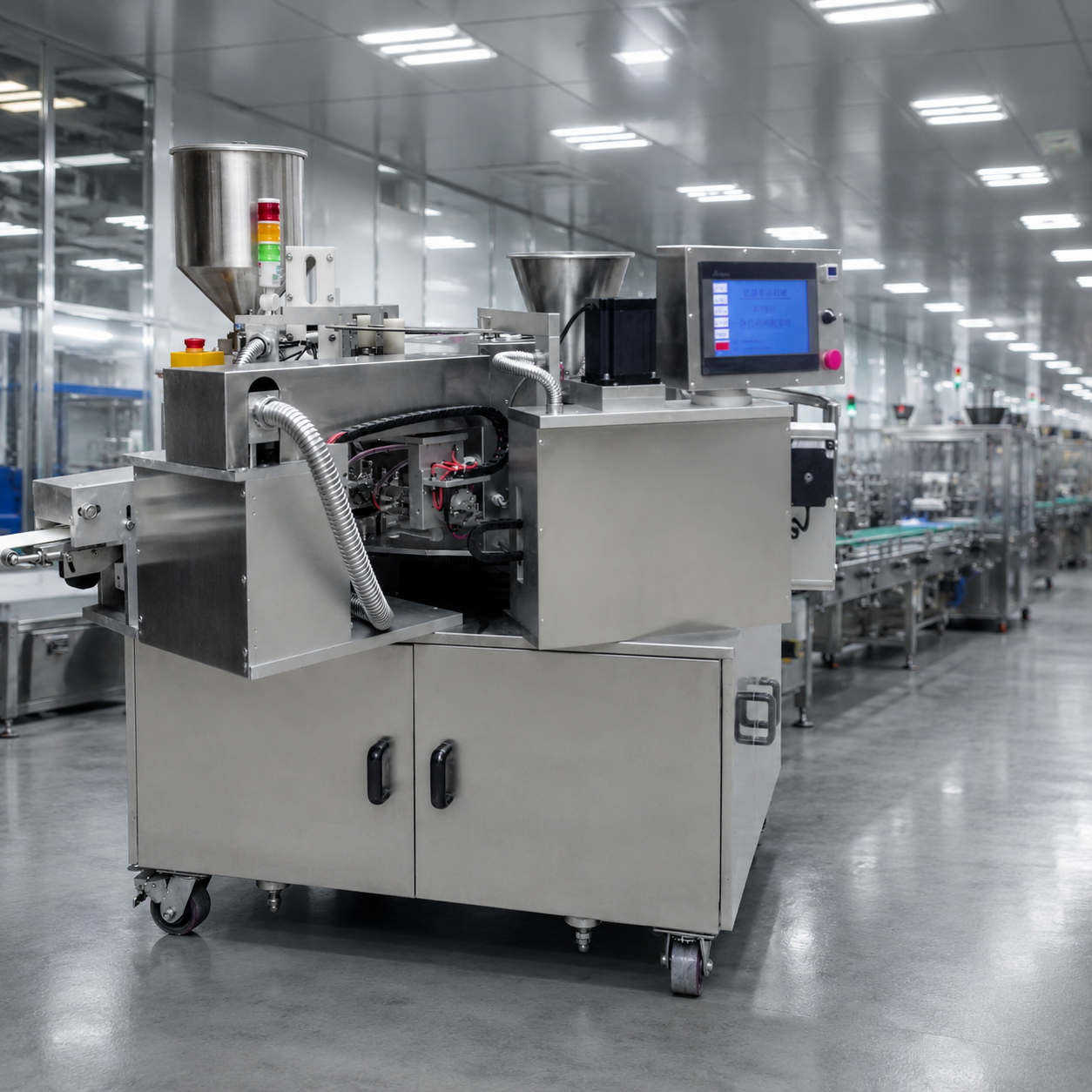
Configuration choices affect both the biscuit and its factory setting. Each item below goes into the written scope so the buyer can compare suppliers on the same boundary instead of comparing incomplete base-machine prices.
Food-contact design check
The food-contact and cleaning decisions should also be reviewed against the applicable FDA equipment provisions; a material name alone does not demonstrate cleanable access or contamination control.
SYS.02G
| Configuration item | Decision to freeze | Evidence before order release | Downstream effect |
|---|---|---|---|
| Mould pattern | Artwork, pattern depth, usable area and edge profile | Approved drawing and physical sample | Appearance, release and cleaning effort |
| Finished geometry | Flat, folded, rolled or combined form | Uncut video of the complete forming sequence | Operator count, breakage and packing interface |
| Heating method | Electrical or other quoted heat source | Utility schedule and temperature-control description | Connected load, ventilation and operating cost |
| Control architecture | Recipe parameters, alarms, interlocks and restart behaviour | Control narrative and factory test checklist | Training, fault recovery and repeatability |
| Food-contact boundary | Every surface that contacts batter or finished product | Material list, finish details and cleaning access review | Sanitation method and changeover time |
| Line interfaces | Feed, discharge, cooling and packing handoff | Layout drawing with elevations and utility points | Floor space, accumulation and installation work |
Included-scope check
List moulds, controls, guarding, electrical cabinet, air preparation, spare/change parts, manuals, test materials, installation and training as separate line items. A blank line item is an open procurement question, not an assumed inclusion.
Changeover check
Ask the supplier to demonstrate access, removal, cleaning, reassembly and restart for the parts that change with pattern or product form. The demonstration should identify tools, lifting needs and settings that must be restored.
Public Reference Specifications and Verification Fields
Public machines sold into this product category show a wide configuration spread. The values below belong to the named manufacturers and provide a screening range; order release should use a first-party specification sheet and acceptance protocol for the exact machine quoted.
| Public reference | Published value | Buyer verification field |
|---|---|---|
| Yitong YT-02 output | 780 pieces/hour | Accepted output over an agreed run, with breakage and stops recorded |
| Yitong YT-02 power | 12 kW | Connected load, heater duty and actual energy measurement boundary |
| Yitong YT-02 size | 2050 × 1950 × 1400 mm | Service clearance, doors, exhaust and operator access |
| Yitong YT-02 compressed air | 0.2 m³/min at ≥0.6 MPa | Air quality, peak demand, connection and compressor scope |
| Yesotech SM-KKM-12 output | 1300 pieces/hour | Manual-folding labour and accepted product after cooling |
| Yesotech SM-KKM-12 electrical | 415 VAC, 30 A, three-phase | Destination voltage, frequency, protection and electrical documents |
| AEC KKP700A-AEC output | 500–700 pieces/hour | Product geometry, run duration and quality acceptance rule |
| AEC KKP700A-AEC size | 2030 × 1940 × 1400 mm | Layout, maintenance access and downstream transfer |
| AEC KKP700A-AEC power | 16.5 kW at 415 V | Electrical capacity and operating-cost model |
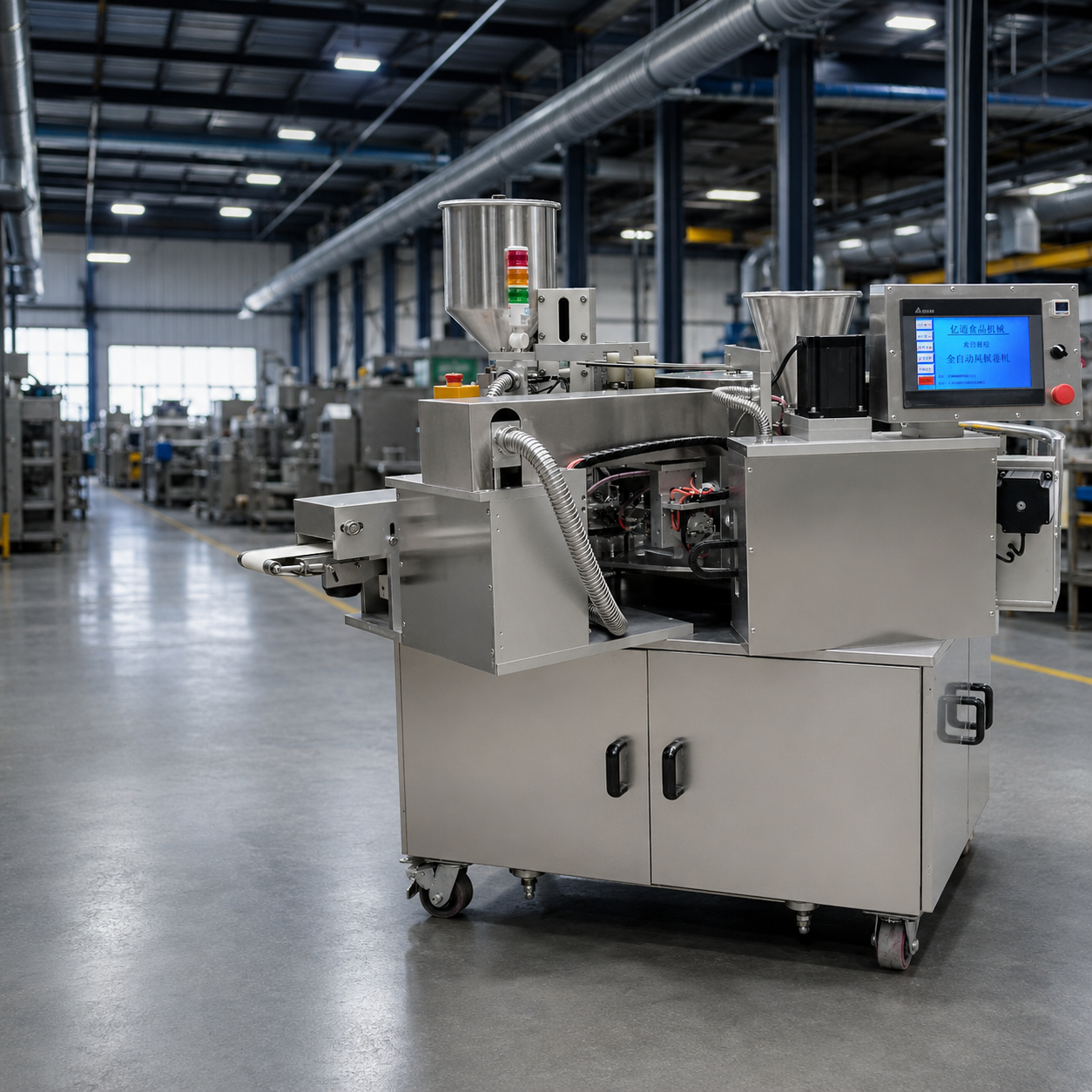
Specification evidence pack
Ask for the machine identity and nameplate, controlled specification revision, general arrangement drawing, utility schedule, process description, food-contact material list, guard/interlock list, electrical documents, maintenance plan and test protocol. The agreed revision is recorded in the quotation so the factory test does not drift to a different configuration.
Process measurement fields
FDA process-control guidance identifies time, temperature, physical dimensions, moisture, viscosity and sensory observations as possible control variables. Select only the variables that decide saleability for the buyer’s biscuit, then define the instrument, sampling method and limit before the trial.
Traceable evidence
NIST explains that traceability belongs to a measurement result, supported by a documented calibration chain, defined measured property, value and uncertainty. A calibrated-instrument sticker alone does not prove that a later capacity or product-dimension result is traceable.
Product Acceptance, Hygienic Design and Machine Safety
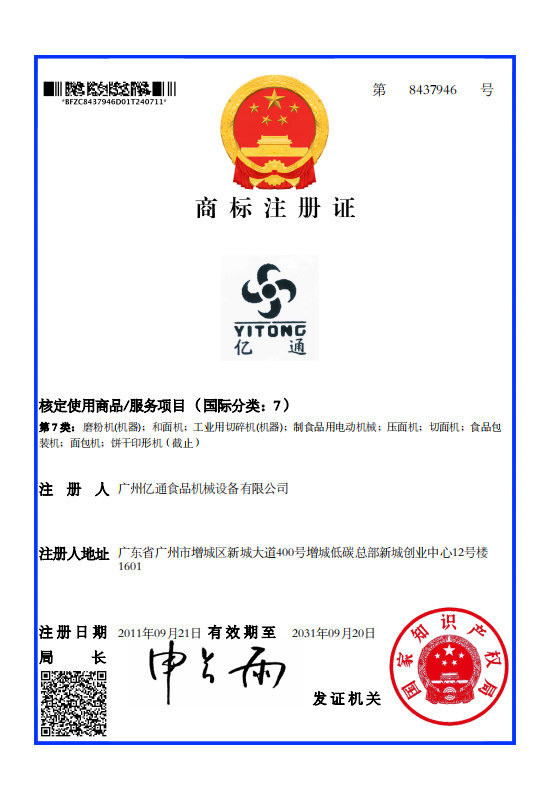
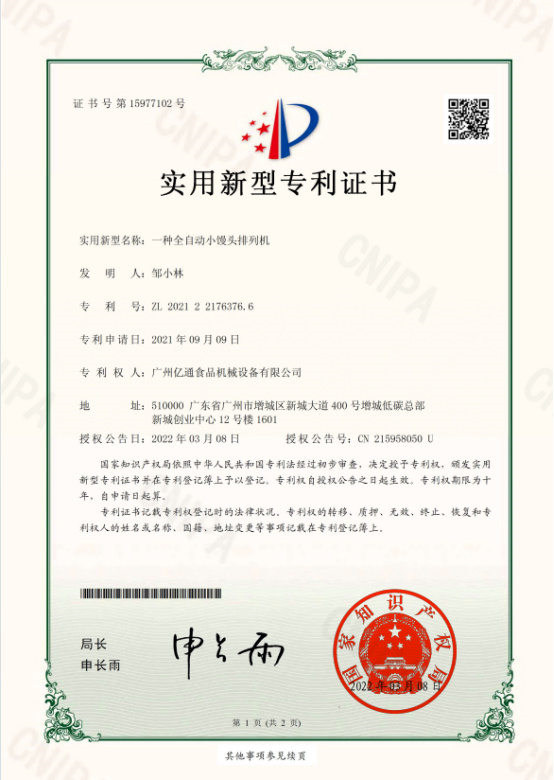
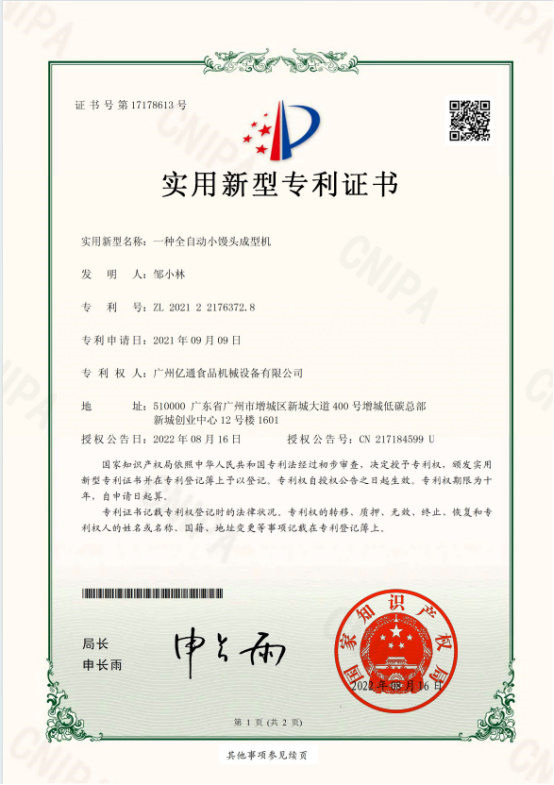
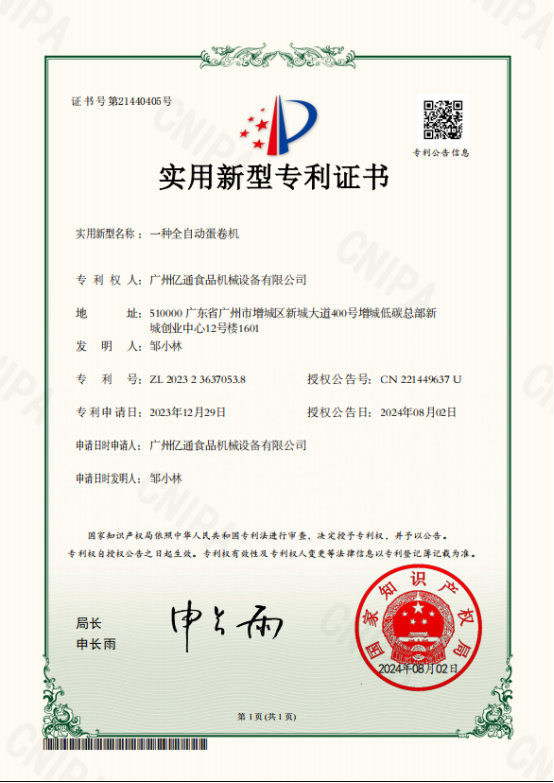
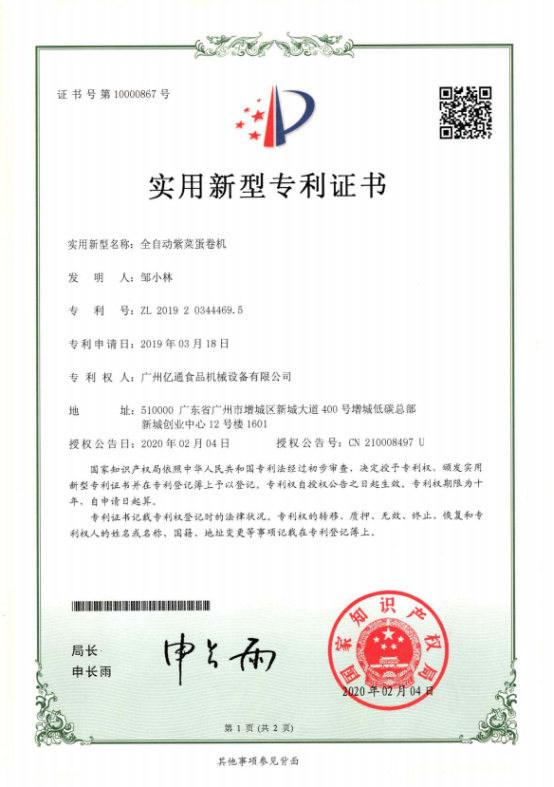
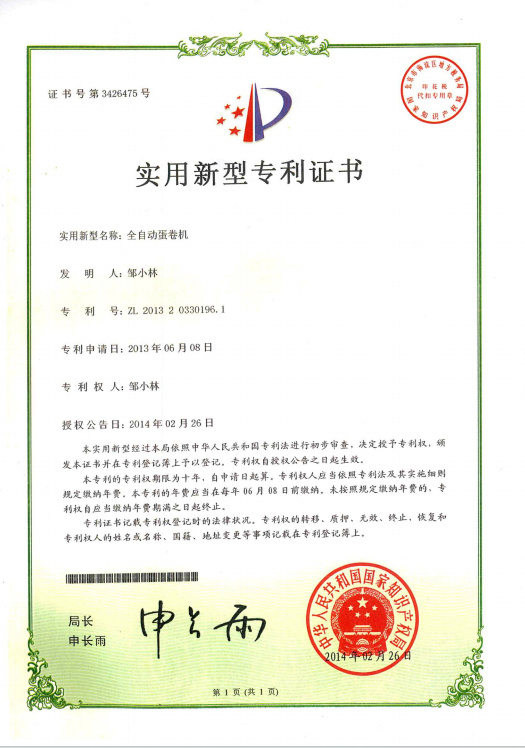
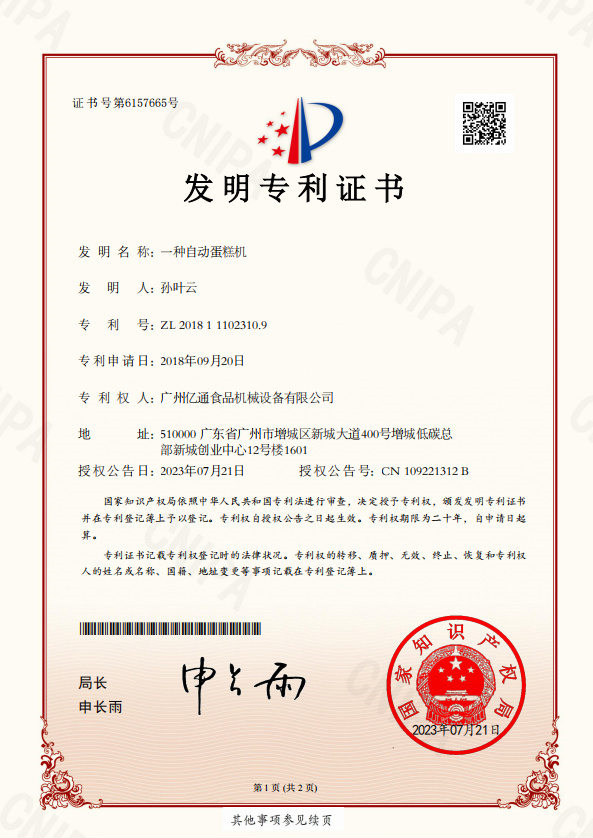
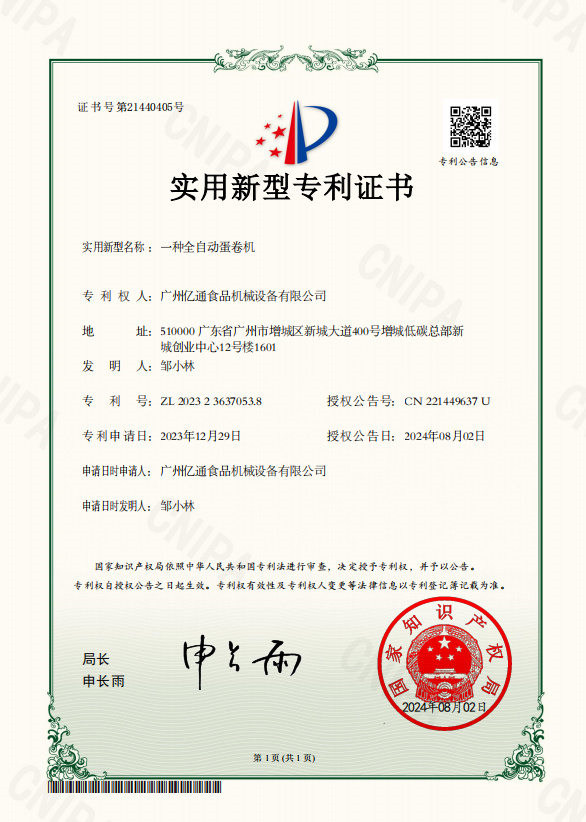
Food machinery must be evaluated as a production system, a cleaning task and a guarded machine. The buyer’s production, quality, maintenance and safety owners close their evidence rows before shipment rather than treating a successful start-up video as complete acceptance.
Application engineering rule: Release shipment only when the agreed product test, safety-function checks, cleaning-access review and open-deviation list point to the same controlled configuration.
Product acceptance
- Freeze the approved batter and target sample.
- Define run duration and stabilization period.
- Measure accepted output and classify rejects.
- Record settings, stops and operator interventions.
Hygienic design review
- Identify every food-contact surface.
- Inspect access, joints, gaps and product-retention points.
- Demonstrate disassembly, cleaning and reassembly.
- Check that lubricants and service materials cannot contaminate food.
Machine safety review
- Review hot surfaces, rotating parts, nip and cutting points.
- Challenge guards, interlocks and emergency stops safely.
- Confirm reset and restart behaviour after a fault.
- Verify isolation provisions for cleaning and service.
Standards are design inputs, not a machine certificate
OSHA 29 CFR 1910.212 identifies point-of-operation, nip-point and rotating-part guarding duties. FDA equipment provisions and ISO 14159 support cleanability and contamination-control review; the destination market, product and site still determine the final compliance route.
Evidence chain
The risk is accepting stainless-steel cladding as a hygiene verdict. That fails because surface material is not a substitute for cleanable geometry, access, contamination control and a demonstrated cleaning method; FDA, NIST and ISO 14159 provide the authority layer, while the recorded factory test supplies configuration-specific proof.
| Evidence object | What it should identify | Decision owner |
|---|---|---|
| Risk assessment | Hazards, safeguards, residual risks and required procedures | Safety and engineering |
| Food-contact list | Material, surface, location and supporting record | Quality or food safety |
| Cleaning demonstration | Access, removal, tools, retained product, reassembly and restart | Sanitation and maintenance |
| Electrical package | Supply, protection, schematics, components and control version | Electrical engineering |
| Factory test record | Product, conditions, raw observations, acceptance and deviations | Production, quality and procurement |
| Document and spares register | Manuals, drawings, backups, change parts and open items | Maintenance and procurement |
×
![]()
Cases Better Suited to Semi-Automatic or Other Wafer Equipment
More automation is useful only when the forming method, demand and factory support it. A full automatic route is the wrong choice when its trade-off adds capital cost and changeover work without removing the buyer’s real bottleneck.
Public automation evidence
Public configurations from Yesotech and Yitong illustrate why the automation label must be checked against the actual forming sequence and operator boundary.
Entity and quotation labels
Searches for “automatic kuih kapit machine price” and “kuih kapit machine for sale” need the same normalized scope before comparison.
The phrase “electric kuih kapit maker” often describes a manual clamshell appliance rather than an industrial line.
A “kuih kapit mould” is tooling, not proof of automatic release or forming.
“Fully automatic egg roll roller machine”, “automatic egg roll making machine” and “wafer roll making machine” are not interchangeable with folded kuih kapit equipment.
For a sweet rolled-wafer line rather than folded kuih kapit, compare the separate automatic egg roll machine category before requesting a configuration.
Three assumptions to challenge
A common assumption says more nameplate capacity produces more saleable output.
Automatic forming does not necessarily remove replenishment, fault-recovery or cleaning labour.
Contrary to a price-first comparison, an excluded mould or acceptance trial changes the commercial scope.
| Situation | Why a full automatic route can work against you | Better next route |
|---|---|---|
| Very low or seasonal volume | Changeover and cleaning can dominate a short production run | Compare a semi-automatic plate/deposit system with manual artisanal folding |
| Frequent shape experiments | Dedicated forming hardware can slow recipe and geometry development | Approve the product on flexible tooling before freezing automatic forming |
| Flat layered wafer sheets | The process and downstream handling differ from folded kuih kapit | Evaluate a sheet-wafer baking and cooling line |
| Filled hollow wafer sticks | Rolling, filling and sealing introduce a different forming chain | Evaluate a wafer-stick or filled-roll line |
| Insufficient utilities or service access | The machine can fit the drawing but fail the installation and maintenance route | Resolve power, air, ventilation, clearances and service lifting before selection |
| No controlled product or acceptance criteria | A supplier demonstration cannot prove the intended commercial biscuit | Freeze the sample and test plan before ranking equipment |
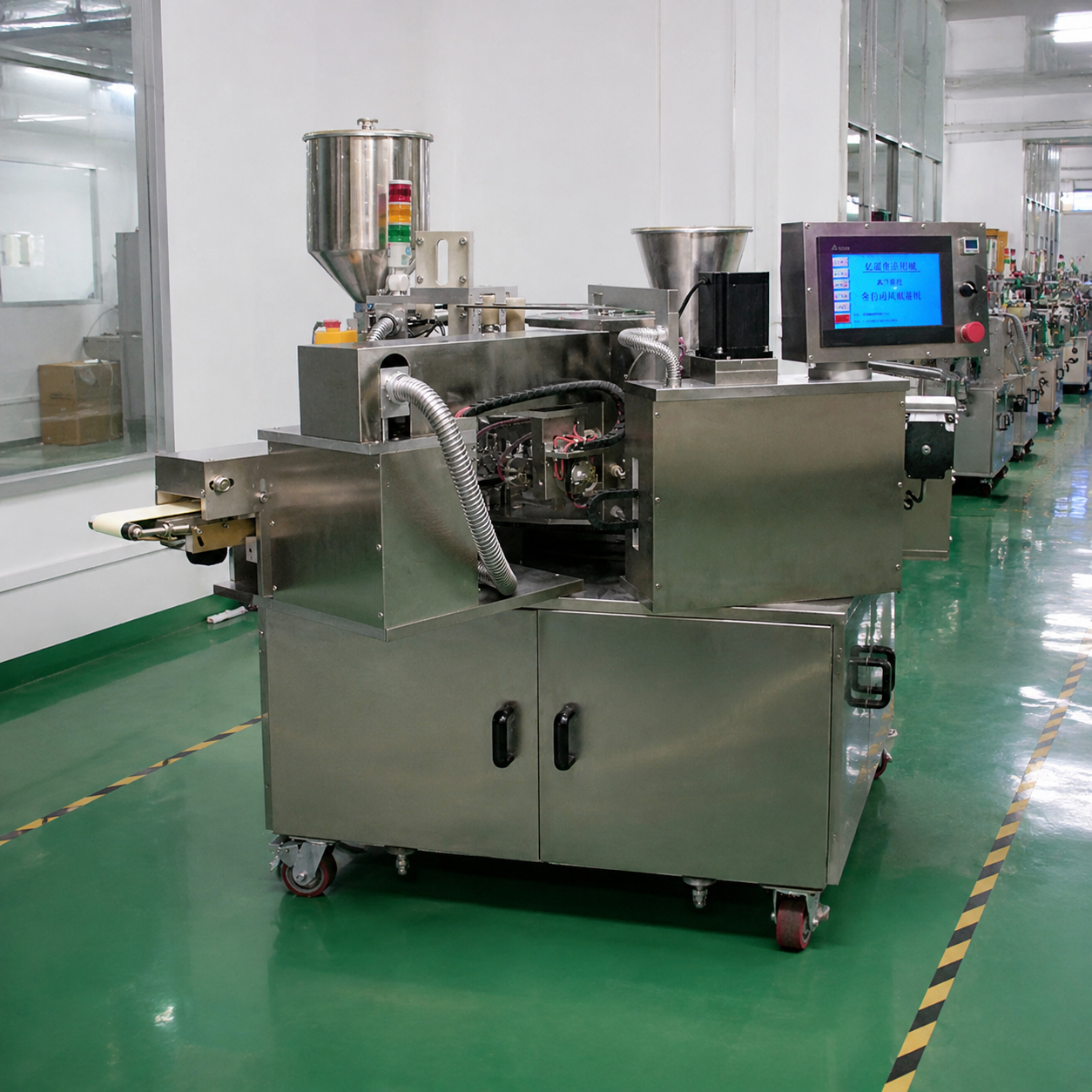
YT-02G Specialty Product Machine Planning & Evaluation Tools
Kuih Kapit Automation Boundary Checklist
Classify each production stage as automatic, manual or not yet verified. The result exposes the real labour handoffs before you compare machine prices.
→
Kuih Kapit Machine Quote Normalizer
Mark whether Quote A and Quote B state each scope item. The score does not judge the supplier; it shows where the headline prices are not yet comparable.
→
Product-Sample Factory Acceptance Planner
Enter trial totals to calculate gross rate, accepted rate and yield. The calculator uses only your observed run data; it does not assume a machine capacity.
→
Automatic Kuih Kapit Machine Questions
What finished food does an automatic kuih kapit machine make?
It is intended for thin patterned wafer biscuits commonly sold as kuih kapit or love letter biscuits. The required final form must still be specified as flat, fan-folded, triangle-folded or rolled because each form changes the handling and acceptance method.
Which stages are automatic and which may still require an operator?
The answer depends on the quoted configuration. Public semi-automatic machines automate plate movement, batter depositing and baking while leaving folding, rolling or removal manual, so ask for an uncut video covering all six stages in the automation boundary map.
How is an automatic machine different from a semi-automatic model?
A useful comparison lists operator intervention at dosing, release, forming, discharge, replenishment, fault recovery and cleaning. The label alone is insufficient; compare accepted output, staffing and product quality over the same test window.
Can the mould pattern, wafer size and folding form be customized?
Those items can be evaluated as configuration variables, but they should be frozen with an approved sample and mould drawing before manufacture. Custom geometry also requires a release and folding trial; a drawing by itself does not prove the hot wafer will form without breakage.
What capacity and utilities should a buyer verify?
Verify accepted pieces per hour, run duration, rejects, operator interventions, electrical supply, connected power, compressed air, ventilation, footprint and maintenance clearance. Public examples span 500–700, 780 and 1300 pieces/hour, which is why the test boundary matters more than one headline number.
How are batter consistency and baking settings validated?
Use representative batter and record the recipe range, batter temperature, time from mixing to depositing, portion, plate temperature, baking time, release, colour, crispness and defects. Keep the approved sample and settings with the acceptance record.
What cleaning and food-contact checks belong in the review?
Identify every food-contact surface, inspect access and retention points, demonstrate disassembly and reassembly, and confirm that lubricants or service materials cannot contaminate the product. FDA equipment provisions and ISO 14159 provide evaluation principles; they do not replace the site’s sanitation validation.
What information is needed for an accurate quotation?
Send the target product photo or sample, recipe range, required geometry, accepted output, destination voltage, available compressed air, layout limit, automation target, acceptance requirements, installation scope and destination. Quotes are returned within 24 hours on business days.
What is the minimum order and how long does production take?
Minimum order is 1 set. Production lead time is 15–20 working days, and the released schedule is confirmed in your quotation.
What factory-acceptance evidence should be available before shipment?
Request the controlled specification, identity check, loaded-run data, accepted-output calculation, sample measurements, alarm and safety-function results, cleaning-access demonstration, document register, deviations, retests and signed shipment release. A short sales video is not a substitute for this record.
Which safety functions should be challenged?
Review guards around points of operation, nip points and rotating parts; challenge selected interlocks and emergency stops safely; confirm reset and restart behaviour; and verify isolation for service and cleaning. The applicable destination-market route must be set by the buyer’s site and regulatory context.
How should competing quotations be compared?
Normalize product, moulds, automation stages, accepted output, utilities, guarding, food-contact evidence, acceptance trial, documents, spares, installation, training and delivery term. The quote normalizer linked on this page turns those items into one side-by-side scope table.